peptide research science
Peptide Reconstitution Explained: Safety and Basics
For Peptide Reconstitution, Search interest around how to reconstitute peptides has increased as more people begin exploring peptides in research and performance-related discussions. While the term “reconstitution” is frequently mentioned, many people do not fully understand what it means or why it is such an important step.
Reconstitution refers to the process of preparing a peptide from its dry form into a usable liquid state. This step is critical because it directly affects the stability, integrity, and overall quality of the peptide. Without proper understanding, it is easy to make mistakes that reduce effectiveness or compromise the compound.
This guide explains how to reconstitute peptides from an educational perspective, focusing on the purpose, importance, and key considerations involved in the process.
What Peptide Reconstitution Means
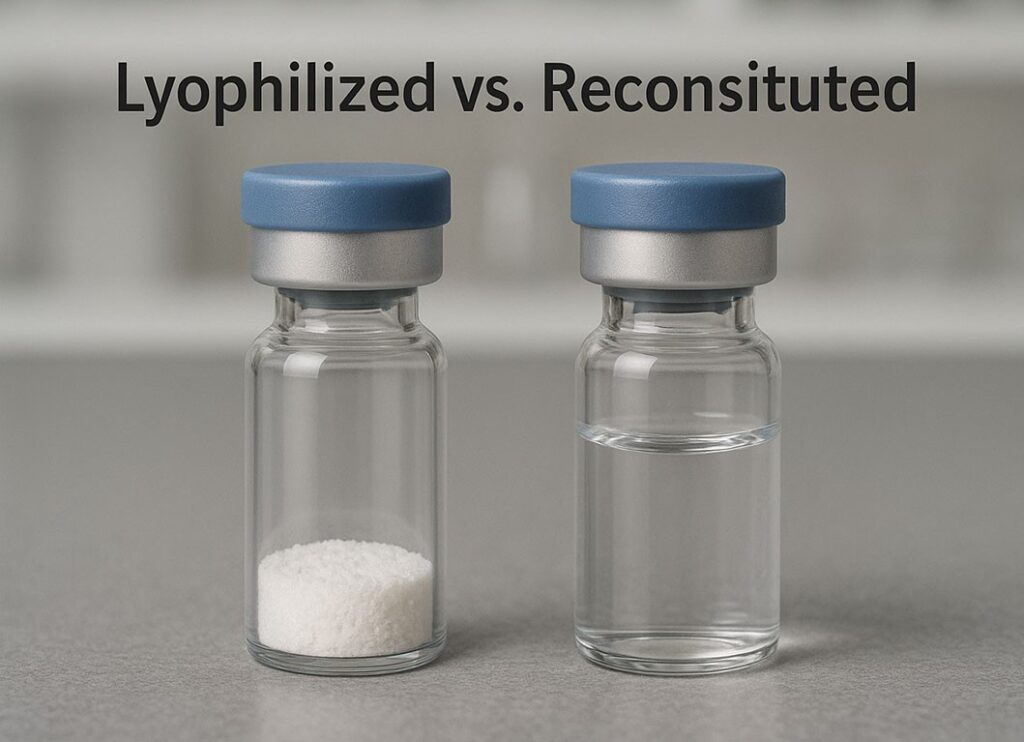
Peptide reconstitution is the process of transforming a peptide from a lyophilized (freeze-dried) powder into a liquid solution.
Peptides are often stored in a dry state because:
- It increases shelf life
- It preserves structural integrity
- It reduces degradation over time
Before use, the peptide must be combined with a suitable liquid to create a stable solution. This process is what people refer to when searching how to reconstitute peptides.
Why Peptides Are Stored in Powder Form
Understanding why peptides are freeze-dried helps clarify the importance of reconstitution.
In powder form:
- Peptides are more stable
- They are less prone to breakdown
- They can be stored for longer periods
Once converted into a liquid, peptides become more sensitive to environmental factors such as temperature, light, and contamination. This is why reconstitution is a critical step that must be approached carefully.
Why Proper Reconstitution Matters
The way peptides are handled during reconstitution can significantly affect their quality.
Improper handling can lead to:
- Degradation of the peptide
- Loss of effectiveness
- Contamination
When people search how to reconstitute peptides, they are often focused on the process itself, but the bigger picture is about preserving the integrity of the compound.
Proper understanding ensures that the peptide maintains its intended structure and function.
Factors That Influence Peptide Stability
After reconstitution, peptides become more sensitive.
Key factors include:
Temperature
Peptides typically require controlled storage conditions to maintain stability.
Light Exposure
Direct light can degrade certain compounds.
Handling Conditions
Clean handling reduces the risk of contamination.
Time
Once reconstituted, peptides have a limited stability window.
These factors highlight why reconstitution is not just a simple step but part of a broader handling process.
Common Mistakes in Peptide Reconstitution
Many people searching how to reconstitute peptides make avoidable mistakes.
These include:
- Using low-quality peptides
- Poor handling practices
- Improper storage after reconstitution
- Lack of understanding of peptide stability
Avoiding these mistakes helps maintain consistency and reliability.
How Quality Impacts Reconstitution
The quality of the peptide plays a major role in how well it performs after reconstitution.
High-quality peptides:
- Maintain stability more effectively
- Provide consistent performance
- Are backed by verified lab results
Low-quality peptides:
- May degrade quickly
- Produce inconsistent outcomes
- Increase uncertainty
TitanForge Labs ensures:
- Verified purity
- Independent lab results
- Consistent product standards
This makes a significant difference in overall peptide handling and reliability.
The Role of Storage After Reconstitution
Reconstitution is only one part of the process. Storage after reconstitution is equally important.
Improper storage can:
- Reduce peptide effectiveness
- Accelerate degradation
- Lead to inconsistent results
Maintaining stable conditions helps preserve the integrity of the peptide over time.
Understanding the Bigger Picture
Learning how to reconstitute peptides is not just about preparing a compound. It is about understanding the full lifecycle of peptide handling.
This includes:
- Storage before reconstitution
- Handling during preparation
- Storage after reconstitution
Each stage affects the overall outcome.
Why Knowledge Matters More Than Process
Many people focus only on the steps when searching how to reconstitute peptides. However, understanding the underlying principles is more important than memorizing procedures.
Knowledge helps you:
- Avoid mistakes
- Recognize quality
- Maintain consistency
This leads to better results and a more reliable approach.
Long-Term Perspective on Peptide Handling
Peptide reconstitution should be viewed as part of a long-term system rather than a one-time action.
A structured approach includes:
- High-quality sourcing
- Proper handling
- Consistent storage
- Informed decision-making
This perspective improves reliability and reduces risk.
A Deeper Look at Peptide Reconstitution in Practice
Peptide reconstitution is more than just a preparation step. It represents a critical transition point where a stable, dry compound becomes an active liquid solution. This transition is where many of the challenges associated with peptide handling begin.
In its dry form, a peptide is relatively stable and protected from environmental factors. Once peptide reconstitution takes place, the compound becomes more sensitive to temperature, contamination, and handling conditions. This is why understanding peptide reconstitution at a deeper level is essential for maintaining consistency.
A well-informed approach to peptide reconstitution ensures that the compound retains its intended structure and function throughout its usable period.
Environmental Sensitivity After Peptide Reconstitution
After peptide reconstitution, environmental conditions play a much greater role in determining stability.
Factors such as:
- Temperature fluctuations
- Exposure to light
- Air contamination
can all influence how long a reconstituted peptide remains viable.
Peptide reconstitution introduces moisture into the compound, and this change increases the likelihood of degradation if conditions are not properly managed. This is why controlled environments are often emphasized when discussing peptide reconstitution in professional settings.
Understanding this sensitivity helps explain why reconstituted peptides require more attention than their dry counterparts.
Why Precision Matters in Peptide Reconstitution
Precision is a key concept in peptide reconstitution. Even small inconsistencies during handling can affect the outcome.
When peptide reconstitution is approached with precision, it supports:
- Consistency in the final solution
- Stability over time
- Predictable behavior of the peptide
Without precision, variability increases, making it harder to rely on the compound for consistent results. This is one of the main reasons peptide reconstitution is treated as a critical step rather than a routine task.
The Relationship Between Peptide Reconstitution and Storage
Peptide reconstitution and storage are closely connected. One cannot be understood properly without the other.
Before peptide reconstitution:
- Storage focuses on maintaining dryness and stability
After peptide reconstitution:
- Storage focuses on preserving the liquid solution
This shift changes how the peptide must be handled. Reconstituted peptides typically require more controlled storage conditions to maintain their integrity.
Failing to adjust storage practices after peptide reconstitution can significantly reduce the effectiveness of the compound.
Consistency and Reliability in Peptide Reconstitution
Consistency is one of the most important goals in peptide reconstitution. Inconsistent handling can lead to variations that affect performance and reliability.
A consistent approach to peptide reconstitution helps:
- Maintain uniform quality
- Reduce variability
- Improve overall predictability
In research and controlled environments, consistency is essential. This is why peptide reconstitution is often approached with structured methods designed to minimize variation.
