peptide administration and usage
Peptide Syringe Guide: Types, Sizes & How to Use
Apr
Peptide Syringe: The Complete Guide to Types, Sizes, and Proper Use
Introduction: Why the Right Peptide Syringe Matters More Than You Think
In peptide use, most people focus heavily on the compound itself—its benefits, dosage, and results. But one critical factor often overlooked is the peptide syringe. This small, simple tool plays a major role in determining how accurate your dosing is, how safe your injections are, and ultimately, how effective your results will be.
Using the wrong peptide syringe, choosing the wrong size, or applying poor injection technique can lead to underdosing, overdosing, contamination, or wasted product. On the other hand, mastering proper syringe selection and usage ensures consistency, precision, and confidence in every administration.
This guide breaks down everything you need to know about peptide syringes—from types and sizes to best practices and advanced usage insights—so you can operate at a higher level with complete control.
What Is a Peptide Syringe and How Does It Work?
A peptide syringe is a precision medical device used to measure and administer liquid peptides, typically after they have been reconstituted from a lyophilized (freeze-dried) form. Unlike standard syringes used in general medicine, peptide syringes are designed for micro-dosing accuracy, which is essential when working with compounds that require very small, controlled amounts.
Most peptide users rely on insulin syringes, which are calibrated in units (IU) rather than milliliters in a conventional sense. This unit-based system allows for fine measurement, often down to fractions of a milliliter, making it ideal for peptides.
A typical peptide syringe consists of:
- A barrel with clear measurement markings
- A plunger for drawing and pushing liquid
- A fine-gauge needle for subcutaneous injection
The combination of these elements allows users to extract precise volumes and deliver them safely into subcutaneous tissue, where most peptides are absorbed effectively.
Types of Peptide Syringes Used in Practice
Understanding the different types of peptide syringes is essential for selecting the right tool for your specific application.
Insulin Syringes (The Industry Standard)
The most commonly used peptide syringe is the insulin syringe. It is widely preferred due to its precision, ease of use, and compatibility with subcutaneous injections.
Key characteristics:
- Available in 0.3ml, 0.5ml, and 1ml capacities
- Marked in units (usually up to 100 IU per 1ml)
- Equipped with ultra-fine needles (29–31 gauge)
- Designed for minimal discomfort and maximum accuracy
For most peptide protocols, this is the best syringe option available.
Luer Lock and Standard Syringes (For Reconstitution)
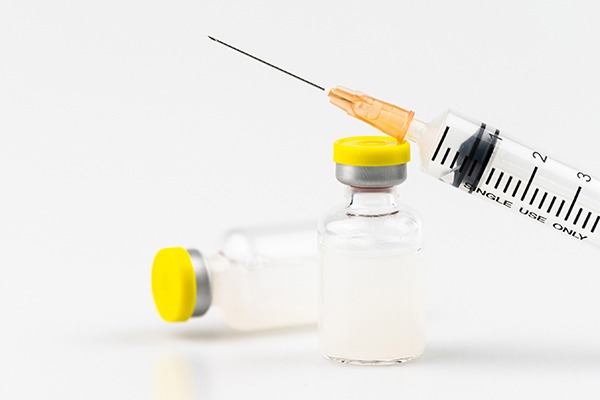
While not typically used for injection, standard syringes may be used during the reconstitution process, especially when handling bacteriostatic water.
These syringes:
- Allow controlled drawing of larger liquid volumes
- Often use detachable needles
- Are better suited for mixing rather than injecting
However, they lack the precision needed for peptide dosing, making them less suitable as a primary peptide syringe.
Peptide Syringe Sizes and Their Impact on Accuracy
Choosing the correct peptide syringe size is not just a matter of convenience—it directly affects dosing precision.
0.3ml Syringe (30 Units)
This is the most precise option and is ideal for:
- Very low-dose peptides
- Users who require micro-adjustments
- Protocols involving highly potent compounds
0.5ml Syringe (50 Units)
A balanced choice that offers:
- Good precision
- Moderate capacity
- Flexibility for a wide range of peptides
1ml Syringe (100 Units)
The most commonly used peptide syringe due to its versatility.
Best suited for:
- General peptide use
- Larger dosing volumes
- Beginners who want simplicity and flexibility
The key principle is simple: the smaller the syringe, the higher the precision. However, the ideal choice depends on your dosing requirements and comfort level.
Understanding Units, Measurements, and Dosing Precision
One of the most misunderstood aspects of using a peptide syringe is the relationship between milliliters (ml) and units (IU).
In a standard 1ml insulin-based peptide syringe:
- 1ml = 100 units
- 0.5ml = 50 units
- 0.1ml = 10 units
This means that every unit marking corresponds to a specific fraction of a milliliter. When peptides are reconstituted, the total volume of liquid added determines how much peptide is contained in each unit.
Accurate dosing depends on:
- Correct reconstitution ratios
- Clear understanding of syringe markings
- Consistent measurement technique
Without mastering this, even the best peptide syringe will not deliver reliable results.
How to Use a Peptide Syringe Properly
Using a peptide syringe correctly is a process that requires attention to detail and strict hygiene standards.
Preparation Phase
Before drawing any solution:
- Ensure your peptide is fully reconstituted
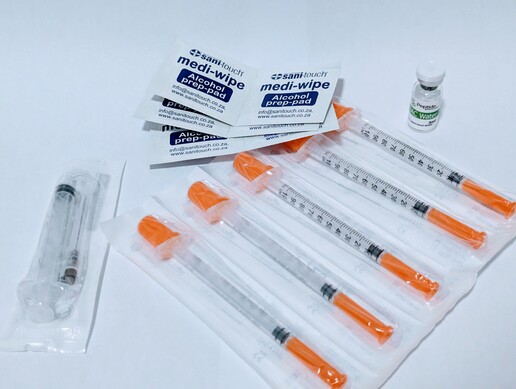
- Clean vial tops with alcohol swabs
- Wash or sanitize your hands
Drawing the Solution
Insert the needle into the vial and slowly pull back the plunger. Precision matters here—draw slightly more than needed, then adjust down to the exact dose.
Air Bubble Removal
Air bubbles can distort your measurement. Tap the syringe gently and push the plunger until only liquid remains.
Injection Technique
Most peptides are administered subcutaneously. Common injection areas include:
- Abdomen (most preferred)
- Upper thigh
- Back of the upper arm
Insert the needle at a slight angle, inject slowly, and withdraw smoothly.
Post-Injection Protocol
Dispose of the peptide syringe safely. Never reuse syringes, as this increases the risk of contamination and infection.
Choosing the Best Peptide Syringe for Your Needs
Not all peptide syringes are equal, and choosing the right one can significantly improve your experience.
Key factors to evaluate:
Needle Gauge
- 29–31 gauge is ideal
- Higher gauge = thinner needle = less pain
Needle Length
- Shorter needles (6–8mm) are best for subcutaneous injections
- Reduce risk of injecting too deep
Clarity of Markings
- Clear, easy-to-read units improve dosing accuracy
- Essential for beginners and advanced users alike
Build Quality
- Smooth plunger movement
- Leak-proof design
- Sterile, individually packaged units
A high-quality peptide syringe ensures consistency, comfort, and reliability in every use.
Common Mistakes That Reduce Effectiveness
Even experienced users can make avoidable mistakes when using a peptide syringe.
The most common include:
- Reusing syringes
- Misreading unit markings
- Using the wrong syringe size
- Injecting too quickly
- Failing to remove air bubbles
Each of these errors can compromise dosing accuracy and overall results.
Safety, Hygiene, and Best Practices
Safety should always be a priority when using a peptide syringe.
Best practices include:
- Always using a new sterile syringe
- Disinfecting all surfaces and vials
- Rotating injection sites
- Storing peptides properly after reconstitution
Maintaining strict hygiene standards protects both your health and the integrity of your peptides.
Advanced Tips for Precision and Consistency
For those looking to operate at a higher level, a few advanced practices can make a significant difference:
- Use consistent injection timing daily
- Stick to the same syringe size for uniform measurements
- Track doses to avoid variability
- Pair proper syringe use with correct peptide storage
These habits create consistency, which is critical for achieving predictable results.
External Link Suggestions (E-E-A-T Boost)
- PubMed – Research on peptide pharmacokinetics
- WebMD – Safe injection practices
- FDA – Guidelines on injectable substances
Conclusion: Mastering the Peptide Syringe for Optimal Results
A peptide syringe is far more than just a delivery tool—it is a precision instrument that directly influences your results. From selecting the right size to mastering injection technique, every detail contributes to safety, accuracy, and effectiveness.
When used correctly, the right peptide syringe ensures that every dose is measured properly, every injection is performed safely, and every peptide cycle delivers consistent outcomes.
If your goal is to get the most out of your peptide protocols, then understanding and mastering your syringe is not optional—it is essential.
Call To Action
If you’re serious about achieving consistent, high-quality results, make sure you’re using the right tools alongside premium-grade peptides.
Explore high-quality peptide solutions and elevate your protocol with the precision and reliability you need to perform at your best.
