peptide administration and usage
BAC Water for Peptides: What It Is and Why It Matters
Apr
BAC Water for Peptides: What It Is, Why It’s Used, and What You Should Know
Understanding BAC Water for Peptides and Its Role
BAC water for peptides is one of the most commonly discussed components when it comes to handling peptides properly. While peptides themselves receive most of the attention, the liquid used alongside them plays a crucial role in maintaining consistency and stability.
BAC water, short for bacteriostatic water, is specially prepared sterile water that contains a small amount of preservative to inhibit bacterial growth. This makes it particularly relevant in discussions around peptide handling and preparation.
Understanding bac water for peptides is essential because it directly influences how peptides are maintained after preparation and how consistent their performance can be over time.
Why BAC Water for Peptides Is Widely Used
The reason bac water for peptides is widely used comes down to stability and safety in handling.
It is associated with:
- Maintaining a sterile environment
- Supporting peptide integrity after mixing
- Allowing repeated use without rapid contamination
Because peptides are sensitive compounds, the environment in which they are handled matters significantly. BAC water helps create a more controlled and stable environment.
This is why bac water for peptides is considered a standard component in peptide-related workflows.
BAC Water for Peptides and How It Supports Stability
One of the most important functions of bac water for peptides is supporting stability.
Peptides can degrade if exposed to improper conditions. Using a suitable medium helps maintain their structure after preparation. BAC water contributes to this by reducing the risk of bacterial contamination, which can compromise peptide quality.
This is especially important when peptides are being handled over time rather than used immediately.
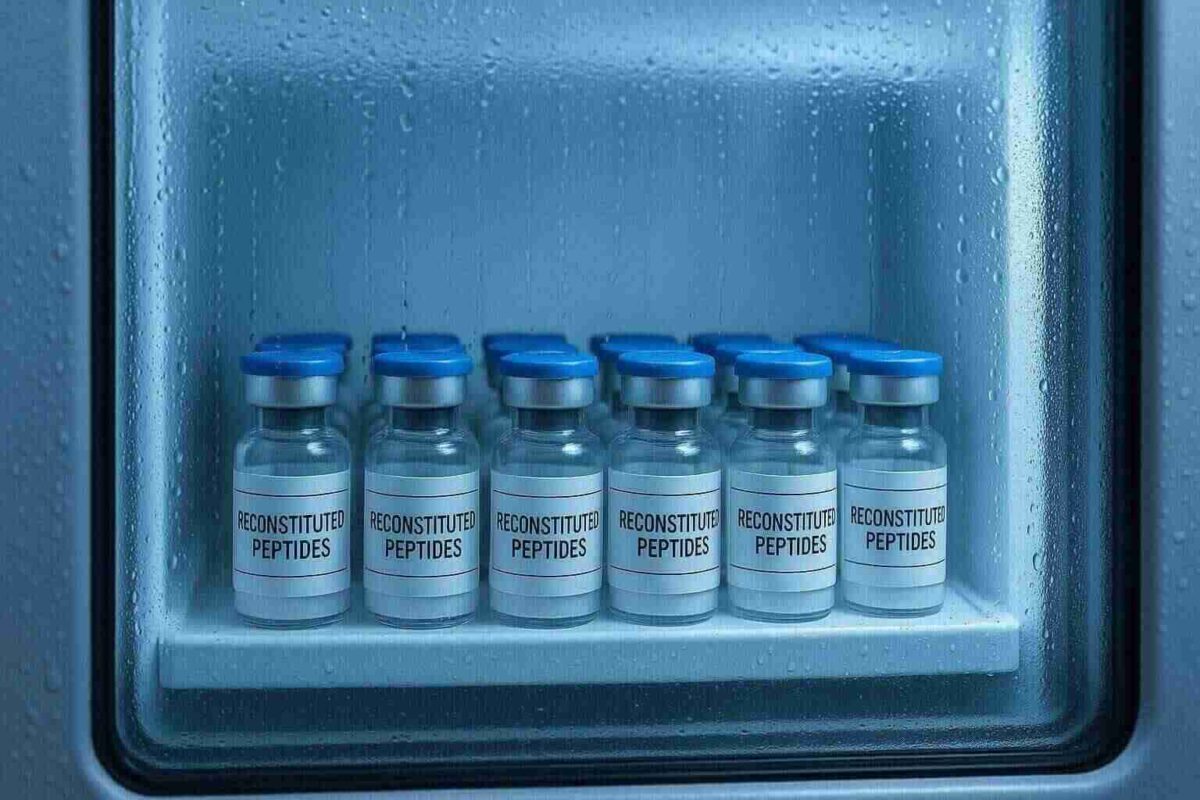
How BAC Water for Peptides Connects to Peptide Reconstitution
BAC water for peptides is closely connected to the process of peptide reconstitution.
If you’ve read the guide on peptide handling, you’ll understand that preparation is a critical step in maintaining peptide quality. BAC water is commonly referenced in this context because it provides a controlled medium for that process.
BAC Water for Peptides and Product Quality Considerations
When discussing bac water for peptides, quality remains a key factor.
High-quality bacteriostatic water:
- Maintains sterility
- Contains appropriate preservative levels
- Supports consistent peptide handling
Low-quality alternatives:
- May introduce contamination risks
- Can reduce peptide stability
- Lead to inconsistent outcomes
This is why bac water for peptides should always be considered alongside the overall quality of the peptide products themselves.
TitanForge Labs emphasizes strict standards and verified lab results, ensuring that both peptides and related handling processes meet high-quality expectations.
BAC Water for Peptides and Its Role Across Different Peptide Types
BAC water for peptides is not limited to a single category of peptides. It is relevant across multiple types, including those you’ve already covered.
For example:
- Growth-related peptides discussed in your tesamorelin dosage and ipamorelin dosage and timing articles
- Recovery-focused peptides highlighted in your wolverine peptide benefits guide
- Fat metabolism peptides such as those in your best peptides for fat loss content
BAC Water for Peptides and Common Misunderstandings
There are several misconceptions about bac water for peptides.
One is the assumption that any water can be used interchangeably. In reality, peptides require specific handling conditions, and using improper alternatives can affect stability.
Another misconception is overlooking its importance entirely. While it may seem like a small detail, bac water for peptides plays a supporting role that can impact overall consistency.
Understanding these points helps create a more informed approach.
BAC Water for Peptides and Storage Considerations
Storage is another area where bac water for peptides becomes relevant.
Proper handling environments often include:
- Controlled temperature conditions
- Clean storage practices
- Stable containers
While BAC water helps maintain a sterile environment, it must still be part of a broader system that prioritizes proper storage and handling.
How BAC Water for Peptides Fits Into a Complete Peptide System
BAC water for peptides should not be viewed in isolation. It is part of a larger framework that includes:
- Peptide quality
- Handling practices
- Storage conditions
- Consistency of use
When all these elements are aligned, peptides can perform more reliably. This is why bac water for peptides is considered a foundational component rather than an optional one.
Strategic Internal Linking to Boost Your SEO Rankings
To maximize rankings, this article should link naturally to your existing content:
Final Thoughts on BAC Water for Peptides
BAC water for peptides may seem like a small detail, but it plays a significant role in maintaining stability, consistency, and proper handling conditions. Understanding its purpose allows for a more complete approach to peptides as a whole.
When combined with high-quality products, proper storage, and structured handling practices, bac water for peptides becomes part of a reliable system.
For peptides backed by verified lab results and strict quality standards, TitanForge Labs provides a foundation built on consistency, transparency, and performance.
