peptide administration and usage
Copper Peptide Serum: Benefits, How It Works & Results
May
Copper Peptide Serum: Benefits, How It Works, and What to Expect (2026)
Copper peptide serum has quietly become one of the most talked-about ingredients in serious skincare — and for good reason. While the beauty industry cycles through trends with predictable regularity, copper peptide serum has earned its reputation the old-fashioned way: through decades of published scientific research, consistent clinical results, and a mechanism of action that addresses skin ageing at a level that most topical ingredients simply cannot reach.
If you have been hearing about copper peptide serum and are wondering whether it genuinely lives up to the science-backed reputation it has built — or if you already know you want to try it and are looking for the best copper peptide serum available — this guide gives you everything you need. The complete breakdown of what copper peptide serum is, exactly how GHK-Cu works at the cellular level, the specific benefits you can expect from a quality copper peptide serum, how to use it correctly, and where to find a genuine, independently verified copper peptide serum product.
What Is Copper Peptide Serum?
Copper peptide serum is a topical skincare product containing GHK-Cu — glycyl-L-histidyl-L-lysine copper complex — a naturally occurring tripeptide that was first identified in human plasma by Dr Loren Pickart in 1973. GHK-Cu is the active ingredient in every genuine copper peptide serum, and its biological activity is what makes copper peptide serum so distinctly different from conventional anti-aging skincare ingredients.
GHK-Cu is not a synthetic compound created specifically for cosmetic use — it is a peptide that the human body produces naturally, playing a role in wound healing, tissue repair, and skin regeneration throughout life. Copper peptide serum delivers this naturally occurring compound directly to the skin in concentrated form, allowing it to perform its biological functions at a therapeutic level that the body’s declining endogenous production can no longer maintain as we age.
The “copper” in copper peptide serum refers to the copper ion (Cu²⁺) that is complexed with the GHK tripeptide in GHK-Cu. This copper-peptide complex is not simply a peptide with copper added — the copper ion is structurally integral to GHK-Cu’s biological activity, participating directly in the enzymatic reactions that drive collagen synthesis and antioxidant activity. A copper peptide serum without the correct copper complexation is not a genuine GHK-Cu product — which is one reason why purity verification matters so much when purchasing copper peptide serum.
The Science: How Copper Peptide Serum Works
Understanding how copper peptide serum works at the cellular level is what separates it from the dozens of anti-aging serums that make bold claims without compelling biological mechanisms to back them up.
Collagen and Elastin Synthesis Stimulation
The most extensively documented effect of copper peptide serum is its ability to stimulate collagen and elastin synthesis in dermal fibroblasts — the specialised cells responsible for producing and maintaining the structural proteins that give skin its firmness, elasticity, and youthful appearance.
GHK-Cu in copper peptide serum activates fibroblast activity through multiple pathways simultaneously — upregulating the genes responsible for Type I, III, and IV collagen production, stimulating elastin synthesis, and promoting the production of proteoglycans — the molecules that hold water in the dermis and contribute to skin plumpness. As documented in PubMed’s comprehensive GHK-Cu research index, the collagen-stimulating effect of copper peptide serum on dermal fibroblasts is one of the most consistently replicated findings in cosmetic peptide science.
Antioxidant Gene Expression Activation
Copper peptide serum activates the Nrf2 pathway — the master regulator of the body’s antioxidant defence system — upregulating the production of superoxide dismutase, catalase, and other endogenous antioxidant enzymes in skin cells. This antioxidant activation from copper peptide serum protects skin cells from oxidative damage caused by UV radiation, pollution, and metabolic processes — the same oxidative stress that degrades collagen, impairs cell turnover, and produces the visible signs of skin ageing.
Anti-Inflammatory Modulation
Copper peptide serum demonstrates meaningful anti-inflammatory activity in skin tissue — reducing the production of inflammatory cytokines including interleukin-1 and TNF-alpha that directly degrade collagen and accelerate skin ageing when chronically elevated. For individuals with sensitive, rosacea-prone, or chronically inflamed skin, the anti-inflammatory properties of copper peptide serum provide benefits that extend well beyond the anti-aging and collagen-stimulating effects.
Wound Healing and Skin Regeneration
GHK-Cu was first studied specifically for its wound healing properties — and copper peptide serum retains this powerful regenerative activity in its cosmetic application. Copper peptide serum promotes keratinocyte proliferation — the formation of new skin cells — accelerates wound closure, reduces scar formation, and supports the complete remodelling of damaged skin architecture. As reviewed in Examine.com’s GHK-Cu evidence overview, the wound healing evidence for copper peptide serum is among the most clinically robust in the topical peptide literature.
Hyaluronic Acid and Skin Hydration
Copper peptide serum stimulates hyaluronic acid synthesis in dermal fibroblasts — supporting the water-binding architecture of the dermis that determines skin plumpness and the appearance of fine lines. A copper peptide serum used consistently over 8 to 12 weeks produces measurable improvements in skin hydration — directly visible as reduced fine line depth, improved skin texture, and the characteristic plumpness associated with well-hydrated, healthy skin.
Copper Peptide Serum Benefits: What to Expect
Based on the published science and clinical evidence, a high-quality copper peptide serum used consistently produces the following documented benefits:
Visibly firmer, more lifted skin — Copper peptide serum’s collagen stimulation directly increases dermal collagen density over time — producing the kind of structural firmness that surface moisturisers cannot replicate because they do not address the underlying collagen architecture.
Reduced depth and appearance of fine lines and wrinkles — As copper peptide serum stimulates new collagen and elastin production, the dermal matrix physically fills in from below — reducing the depth of established lines and preventing the formation of new ones from UV and oxidative damage.
More even skin tone and texture — Copper peptide serum’s promotion of healthy cell turnover and its anti-inflammatory activity combine to reduce uneven pigmentation, smooth rough texture, and create a more uniform skin surface — the foundation of the glowing, radiant appearance associated with skin health.
Accelerated healing of blemishes and post-inflammatory marks — Copper peptide serum’s wound healing properties make it particularly effective for reducing the duration and visibility of post-acne marks, minor irritation, and the residual redness that follows breakouts. Many users report this as one of the most immediately noticeable benefits of copper peptide serum.
Improved skin resilience and barrier function — Copper peptide serum supports the integrity of the skin barrier — the outermost protective layer that prevents moisture loss and protects against environmental irritants. Stronger barrier function from copper peptide serum means skin is less reactive to environmental stressors and better able to maintain hydration without relying entirely on topical moisturisers.
Reduction in age spots and hyperpigmentation — Research has demonstrated copper peptide serum’s ability to reduce melanin overproduction in areas of sun damage and hormonal pigmentation — gradually reducing the appearance of age spots and uneven pigmentation with consistent long-term use.
How to Use Copper Peptide Serum Correctly
Getting the most from your copper peptide serum requires correct application technique and an understanding of how it fits into your broader skincare routine.
When to Apply Copper Peptide Serum
Copper peptide serum is most effective when applied to clean, slightly damp skin — immediately after cleansing and toning, before heavier moisturisers or oils. The slightly damp skin condition enhances the absorption of copper peptide serum into the dermis where its biological activity occurs.
Copper peptide serum can be used morning and evening — though many users find the evening application particularly beneficial for leveraging the skin’s natural nocturnal repair cycle. If using copper peptide serum once daily, the evening application is the higher-priority window.
How Much Copper Peptide Serum to Use
For facial application, 3 to 5 drops of copper peptide serum are sufficient to cover the face and neck. More copper peptide serum does not produce proportionally greater results — the dermis can only absorb and utilise a finite amount of active ingredient per application. Apply copper peptide serum in gentle upward strokes and allow it to fully absorb — typically 1 to 2 minutes — before applying any subsequent skincare products.
Copper Peptide Serum Concentration
The concentration of GHK-Cu in a copper peptide serum significantly affects its efficacy. Research suggests meaningful biological activity begins at concentrations of around 1% GHK-Cu, with stronger effects observed at 2% to 5% concentrations. TitanForge Peptides copper peptide serum is formulated at a clinically relevant concentration with independently verified GHK-Cu content — ensuring the serum delivers the biological activity that the research evidence demonstrates.
Copper Peptide Serum and Vitamin C — Important Compatibility Note
One of the most important copper peptide serum application considerations is its compatibility with Vitamin C serums. High-concentration Vitamin C (L-ascorbic acid) at low pH can oxidise the copper ion in GHK-Cu — potentially reducing the copper peptide serum’s efficacy. If using both Vitamin C and copper peptide serum, apply them at different times of day — Vitamin C serum in the morning and copper peptide serum in the evening — rather than layering them in the same application session.
What to Stack With Copper Peptide Serum
Copper peptide serum works synergistically with several other skincare and peptide ingredients. The most effective combinations include:
Copper peptide serum + oral collagen peptides — Topical GHK-Cu drives fibroblast collagen synthesis from the outside while oral collagen peptides provide the amino acid building blocks from within. This inside-out approach is the most comprehensive strategy for long-term collagen restoration. Our marine collagen peptides pair perfectly with copper peptide serum for exactly this combined effect.
Copper peptide serum + Matrixyl 3000 serum — Apply Matrixyl 3000 serum in the morning and copper peptide serum in the evening for a comprehensive signal peptide protocol covering collagen stimulation, inflammatory modulation, and cell regeneration across both daily application windows.
Copper peptide serum + Epitalon — For users incorporating systemic anti-aging peptides into their protocol, Epitalon’s telomere maintenance and cellular renewal activity supports the skin cell proliferation that copper peptide serum stimulates — addressing skin ageing at both the cellular renewal and structural protein levels simultaneously. Explore our Epitalon product page for full details.
This complete skin-focused protocol is what we describe in our glow blend peptide guide — the most comprehensive breakdown of peptide-based skin radiance available.
How to Choose the Best Copper Peptide Serum
Not all copper peptide serums are equal — and the quality variation in this product category is significant. Here is what to look for when choosing the best copper peptide serum for your protocol:
Verified GHK-Cu concentration — The best copper peptide serums clearly state the GHK-Cu concentration in the formulation and can verify this through independent testing documentation. A copper peptide serum with vague “contains copper peptide” labelling without concentration data provides no meaningful quality assurance.
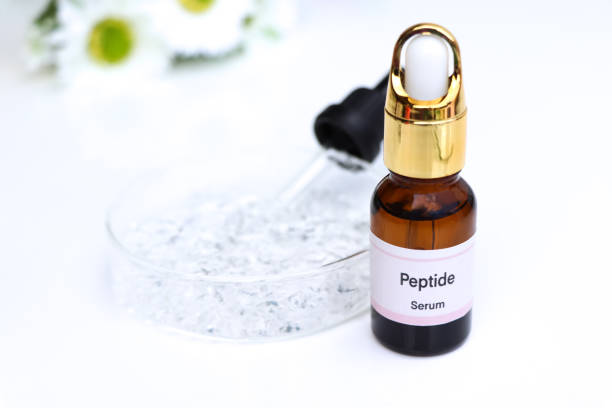
Formulation stability — GHK-Cu is sensitive to pH and oxidation. A quality copper peptide serum is formulated within the appropriate pH range to maintain GHK-Cu stability — typically a slightly acidic to neutral pH. Dark glass packaging protects the copper peptide serum from light-induced degradation.
Minimal unnecessary additives — The best copper peptide serums use a clean, minimal base formulation that does not include ingredients known to interact negatively with GHK-Cu — particularly high-concentration Vitamin C or strong acids in the same formulation.
Independent purity verification — For copper peptide serums formulated with pharmaceutical-grade GHK-Cu, the best suppliers provide independent COA documentation confirming the purity and identity of the GHK-Cu ingredient. At TitanForge Peptides, our GHK-Cu serum is formulated using independently verified GHK-Cu with full documentation available on our Lab Results page.
Copper Peptide Serum Results: What Timeline to Expect
Setting realistic expectations for copper peptide serum results helps maintain the consistent use that drives the best outcomes.
Weeks 1 to 2 — Improved skin hydration and a subtle improvement in skin texture as copper peptide serum’s hyaluronic acid stimulation begins. Faster healing of any active blemishes or irritation due to the wound healing activity of GHK-Cu.
Weeks 3 to 6 — Noticeable improvement in skin tone evenness and surface smoothness. Reduction in post-inflammatory marks. The anti-inflammatory effects of copper peptide serum become more apparent in reactive or redness-prone skin.
Weeks 8 to 12 — The collagen stimulation effect of copper peptide serum begins to produce visible structural changes — improved firmness, reduced fine line depth, and the characteristic radiance associated with increased dermal collagen density. This is the period where the most significant copper peptide serum benefits become apparent.
Months 4 to 6 onwards — Sustained improvement in overall skin quality, continued reduction in age spots and pigmentation with consistent copper peptide serum use, and measurable improvements in skin elasticity testing.
Frequently Asked Questions
Q: What does copper peptide serum do for skin? A: Copper peptide serum — containing GHK-Cu — stimulates collagen and elastin synthesis in dermal fibroblasts, activates antioxidant gene expression, modulates skin inflammation, promotes wound healing and cell regeneration, stimulates hyaluronic acid production, and supports skin barrier integrity. The combined result is firmer, more radiant, better-hydrated skin with reduced fine lines and improved tone.
Q: How long does it take for copper peptide serum to work? A: Initial improvements in hydration and skin healing are typically noticeable within 1 to 2 weeks of copper peptide serum use. Significant improvements in firmness, fine lines, and radiance from copper peptide serum’s collagen stimulation are typically observed between weeks 8 and 12 — reflecting the time required for new collagen synthesis to produce structural changes in the dermis.
Q: Can copper peptide serum be used every day? A: Yes — copper peptide serum is suitable for daily use and produces the best results with consistent daily application. Morning and evening use is ideal, though evening application as a minimum is recommended to leverage the skin’s nocturnal repair cycle.
Q: Is copper peptide serum safe for sensitive skin? A: Copper peptide serum is generally well-tolerated by sensitive skin due to its anti-inflammatory properties — GHK-Cu reduces the inflammatory signals that cause skin reactivity rather than aggravating them. Some individuals may experience a mild initial adjustment period of 1 to 2 weeks as skin adapts to the increased cell turnover stimulated by copper peptide serum.
Q: Can copper peptide serum be used with retinol? A: Yes — copper peptide serum and retinol can be used together but are best applied at different times. Retinol is best applied at night while copper peptide serum can be used morning or evening. Some skincare experts recommend using copper peptide serum in the morning and retinol at night — allowing each compound to work in its optimal application window without competing. As reviewed in Rupa Health’s peptide skincare guide, copper peptide serum and retinol are considered complementary rather than conflicting ingredients when timed correctly.
Q: Where can I buy genuine copper peptide serum? A: TitanForge Peptides supplies GHK-Cu copper peptide serum formulated with independently verified pharmaceutical-grade GHK-Cu. Full documentation available. Shop copper peptide serum here.
