peptide comparison and alternatives
Do You Inject Peptides? All Administration Methods
Apr
Do You Inject Peptides? A Beginner’s Guide to Peptide Administration Methods
It is one of the first questions anyone asks when they start researching peptides: do I actually have to inject them?
It is a completely reasonable concern. Needles are not for everyone. And if the only way to use peptides was by injecting yourself twice a day, a significant portion of people who could genuinely benefit from them would never start.
The honest answer is: it depends on the peptide and what you are using it for. Some peptides must be injected to work effectively. Others work perfectly well as oral capsules, nasal sprays, or topical serums. And understanding the difference — and why it matters biologically — will help you choose the right format for your goals and your comfort level.
This guide covers everything you need to know about how peptides are administered, which method suits which peptide, and how to approach injections safely if that is the route you choose.
Why Peptide Administration Method Matters
Before diving into the methods themselves, it helps to understand why this question is more complex than it might seem.
Peptides are chains of amino acids — and amino acids are what proteins are made of. Your digestive system is extremely good at breaking down proteins and amino acids. That is, after all, its job. The challenge with oral peptide administration is that the digestive process can degrade certain peptides before they reach the bloodstream in a biologically active form.
This is why injection is not arbitrary — for many peptides, it is the most reliable way to deliver the compound directly into circulation without it being broken down in the gut first. But it is not the only way, and for certain peptides and certain applications, other routes are equally or even more effective.
Peptide Administration Methods: A Complete Overview
1. Subcutaneous Injection — The Most Common Method
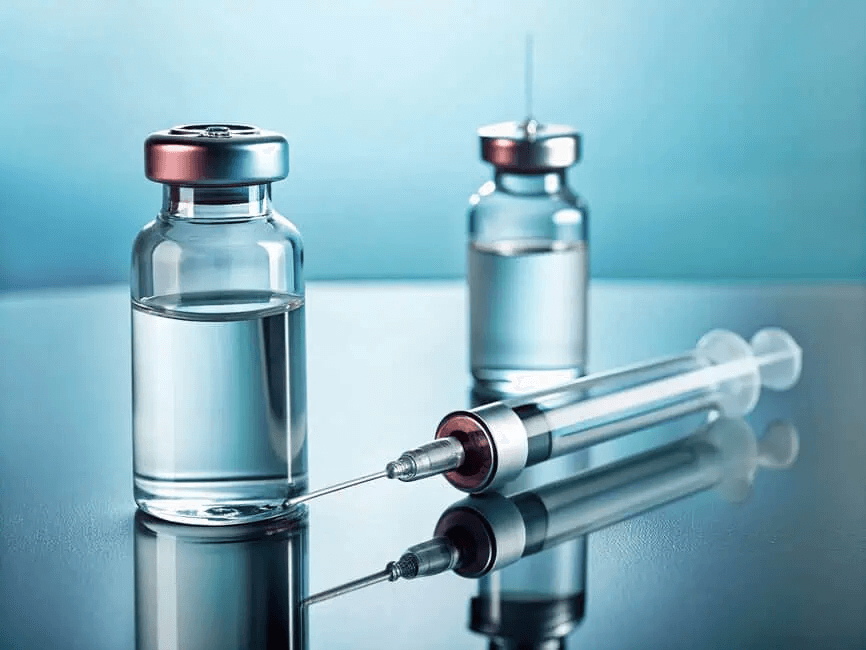
Subcutaneous injection — injecting into the layer of fat just beneath the skin — is the most widely used administration method for research peptides and the one you will encounter most often in the context of performance, recovery, and anti-aging protocols.
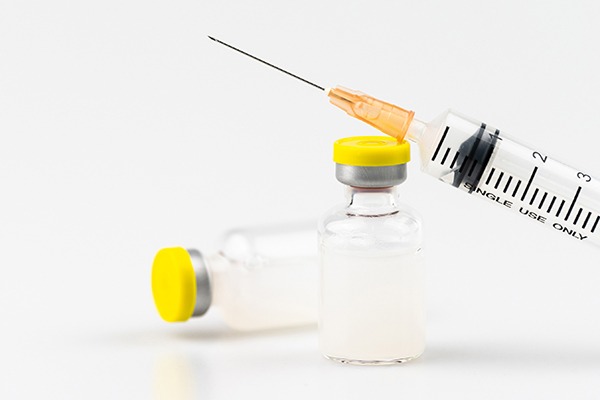
How it works: A small insulin syringe (typically 29 to 31 gauge, 0.5 inch needle) is used to inject the reconstituted peptide solution into the subcutaneous fat layer — most commonly the abdomen, outer thigh, or upper arm. The peptide absorbs gradually from the fat tissue into the bloodstream, providing reliable systemic delivery without the rapid peaks associated with intravenous injection.
Why it is used: Subcutaneous injection bypasses the digestive system entirely, meaning the peptide reaches the bloodstream intact and in full concentration. For peptides like CJC-1295, Ipamorelin, BPC-157, TB-500, and Epitalon — where systemic bioavailability is critical to the desired effect — this is the most dependable route.
Is it painful? Subcutaneous injections with insulin syringes are notably less painful than most people expect. The needles are very fine and very short. Most users describe the sensation as a minor pinch at most. With proper technique it becomes a quick and unremarkable part of a daily routine.
Key steps for safe subcutaneous injection:
- Always use a new, sterile needle for every injection — never reuse
- Clean the injection site with an alcohol swab and allow to dry before injecting
- Pinch the skin lightly to elevate the subcutaneous fat layer
- Insert the needle at a 45-degree angle and inject slowly
- Rotate injection sites to avoid tissue irritation or lipohypertrophy
- Dispose of used needles immediately in a sharps container
2. Intramuscular Injection — Less Common for Peptides
Intramuscular (IM) injection delivers the compound directly into muscle tissue. While this is common for some other compounds, it is less frequently used for peptides. Subcutaneous injection provides comparable bioavailability for most peptides with less discomfort and lower risk.
Some peptide bioregulators — such as Thymalin — are administered intramuscularly in clinical protocols, and certain practitioners prefer IM delivery for specific compounds. For the majority of general use peptides however, subcutaneous is the standard.
3. Oral Capsules — Effective for Specific Applications
Oral capsule administration is a genuine and effective option for certain peptides — and it is the preferred route for a specific category of applications.
When oral works well: BPC-157 is the standout example. Research has demonstrated that BPC-157 maintains biological activity when taken orally, because its mechanism of action in the gastrointestinal tract does not require it to reach systemic circulation first. For gut healing applications — leaky gut, IBD, NSAID damage, gastric ulcers — oral BPC-157 capsules actually provide more direct and targeted delivery than an injection would. The peptide comes into direct contact with the mucosal lining it is intended to heal.
Collagen peptides are another example. Hydrolysed collagen peptides taken orally are absorbed through the gut wall as di- and tripeptides and reach target tissues including skin, cartilage, and tendons via the bloodstream. This is a well-established and clinically studied delivery mechanism with decades of supporting data.
The limitation of oral peptides: For peptides whose mechanism requires intact systemic delivery — growth hormone secretagogues, for example — oral administration is generally less reliable. The digestive enzymes that break down proteins will degrade these peptides before they can reach the bloodstream in sufficient concentration to produce the desired effect. This is why CJC-1295, Ipamorelin, and similar GH peptides are administered by injection rather than capsule.
At TitanForge Peptides, our BPC-157 capsules and collagen peptide supplements provide effective oral delivery for the applications where this route is both practical and scientifically supported.
4. Intranasal Spray — Fast-Acting Brain Delivery
Intranasal administration — delivered via a nasal spray directly into the nasal passages — is particularly effective for peptides targeting neurological and cognitive applications. The nasal mucosa has a rich blood supply and, critically, provides a pathway that allows certain peptides to bypass the blood-brain barrier and reach brain tissue more directly than systemic injection.
Best used for: Semax, Selank, and DSIP are among the peptides most commonly administered intranasally. These nootropic and sleep-regulating peptides benefit enormously from the direct brain-adjacent delivery that the nasal route provides. Epitalon nasal spray is also widely used as an alternative to injection for anti-aging and pineal regulation applications.
How it works: A pre-measured nasal spray bottle delivers a consistent dose per pump directly into the nasal passages. Absorption begins within minutes.
This route is particularly appealing for users who want to avoid injections entirely while still accessing some of the more advanced peptide compounds. Our Semax nasal spray and Selank nasal spray are available for exactly this purpose.
5. Topical Application — For Skin and Local Tissue
Topical peptide formulations — serums, creams, and lotions — are the most accessible entry point into peptide supplementation for many people. They require no injection, no reconstitution, and no specialist knowledge.
Best used for: GHK-Cu (copper peptide) is the most extensively researched topical peptide, with strong clinical evidence for its role in collagen stimulation, wound healing, skin firmness, and wrinkle reduction when applied directly to the skin. Matrixyl 3000 is another widely studied cosmetic peptide complex delivered topically.
How it works: Topical peptides work locally — they penetrate the outer layers of skin and interact with the dermal cells directly beneath. They do not reach systemic circulation in meaningful amounts, which means they are specifically suited to skin and superficial tissue applications rather than systemic or musculoskeletal ones.
Our GHK-Cu topical serum provides a high-concentration copper peptide formulation for daily skin application — no injection required.
Which Administration Method Should You Choose?
Here is a straightforward guide based on your goal:
| Goal | Best Method | TitanForge Products |
|---|---|---|
| Muscle growth & GH stimulation | Subcutaneous injection | CJC-1295, Ipamorelin, Blend |
| Injury recovery (systemic) | Subcutaneous injection | BPC-157 vials, TB-500 |
| Gut healing & digestive health | Oral capsules | BPC-157 capsules |
| Joint & connective tissue support | Oral powder or capsules | Collagen peptides range |
| Cognitive function & nootropics | Intranasal spray | Semax, Selank nasal sprays |
| Sleep & circadian regulation | Intranasal spray | DSIP, Epitalon spray |
| Anti-aging & longevity | Subcutaneous injection or nasal | Epitalon vials or spray |
| Skin health & anti-aging | Topical serum | GHK-Cu serum, Matrixyl serum |
Do You Have to Inject Peptides? The Bottom Line
No — you do not always have to inject peptides. Whether injection is necessary depends entirely on which peptide you are using and what you are using it for.
If your goals centre on gut health, skin care, joint support, or cognitive enhancement — oral capsules, topical serums, and nasal sprays provide effective, injection-free options. If your goals involve systemic recovery, GH stimulation, muscle performance, or anti-aging at a cellular level — subcutaneous injection provides the most reliable and well-studied delivery mechanism.
The good news is that subcutaneous injection with an insulin syringe is genuinely straightforward. Most people who are apprehensive about it before their first injection find it far less daunting than they expected. With proper technique, it becomes a simple and routine part of a supplement protocol.
If you are new to peptides and prefer to start without injections, our Beginner’s Wellness Bundle is specifically designed for exactly that — combining oral BPC-157 capsules, collagen peptides, and topical GHK-Cu serum for a comprehensive, injection-free starting protocol.
How to Reconstitute Peptides for Injection
If you are using lyophilized (freeze-dried) peptide powder vials, they must be reconstituted — mixed with bacteriostatic water — before injection. Here is the basic process:
- Using a clean needle and syringe, draw the required volume of bacteriostatic water
- Insert the needle through the rubber stopper of the peptide vial
- Slowly release the water down the side of the vial — do not squirt it directly onto the powder
- Gently swirl (do not shake) the vial until the powder fully dissolves — the solution should become clear
- Store the reconstituted vial in the refrigerator and use within 30 days
- Calculate your dose based on the concentration: e.g. 5mg peptide in 2ml water = 2,500mcg per ml = 500mcg per 0.2ml draw
Full reconstitution guides are included with every TitanForge Peptides injectable order.
Frequently Asked Questions
Q: Do you have to inject peptides to get results? A: Not always. It depends on the peptide and application. Collagen peptides, BPC-157 for gut health, and nootropic peptides like Semax are all effective without injection. For GH secretagogues and systemic recovery peptides, subcutaneous injection provides the most reliable bioavailability.
Q: How painful are peptide injections? A: Subcutaneous peptide injections use very fine insulin syringes and are considerably less painful than most people expect. The sensation is typically a brief, minor pinch. Most users adapt quickly and find the process entirely manageable within a few administrations.
Q: What size needle do you use for peptide injections? A: The standard recommendation is a 29 to 31 gauge, half-inch (0.5 inch) insulin syringe. This gauge is fine enough to minimise discomfort while still allowing smooth delivery of the reconstituted solution.
Q: Can peptides be taken orally instead of injected? A: Some peptides are effective orally — BPC-157 for gut applications and collagen peptides are the clearest examples. Growth hormone secretagogues and most systemic recovery peptides are not reliably effective orally due to digestive degradation.
Q: Where on the body do you inject peptides? A: The most common subcutaneous injection sites are the abdomen (at least 2 inches from the navel), the outer thigh, and the upper arm. The abdomen is generally preferred for ease of access and consistency. Always rotate sites to avoid repeated irritation of the same tissue.
Q: Is bacteriostatic water the same as regular water? A: No. Bacteriostatic water contains 0.9% benzyl alcohol, which prevents bacterial growth in the reconstituted solution over its shelf life. Regular sterile water does not have this property and should not be used for peptide reconstitution as it does not preserve the solution safely beyond a single use.
