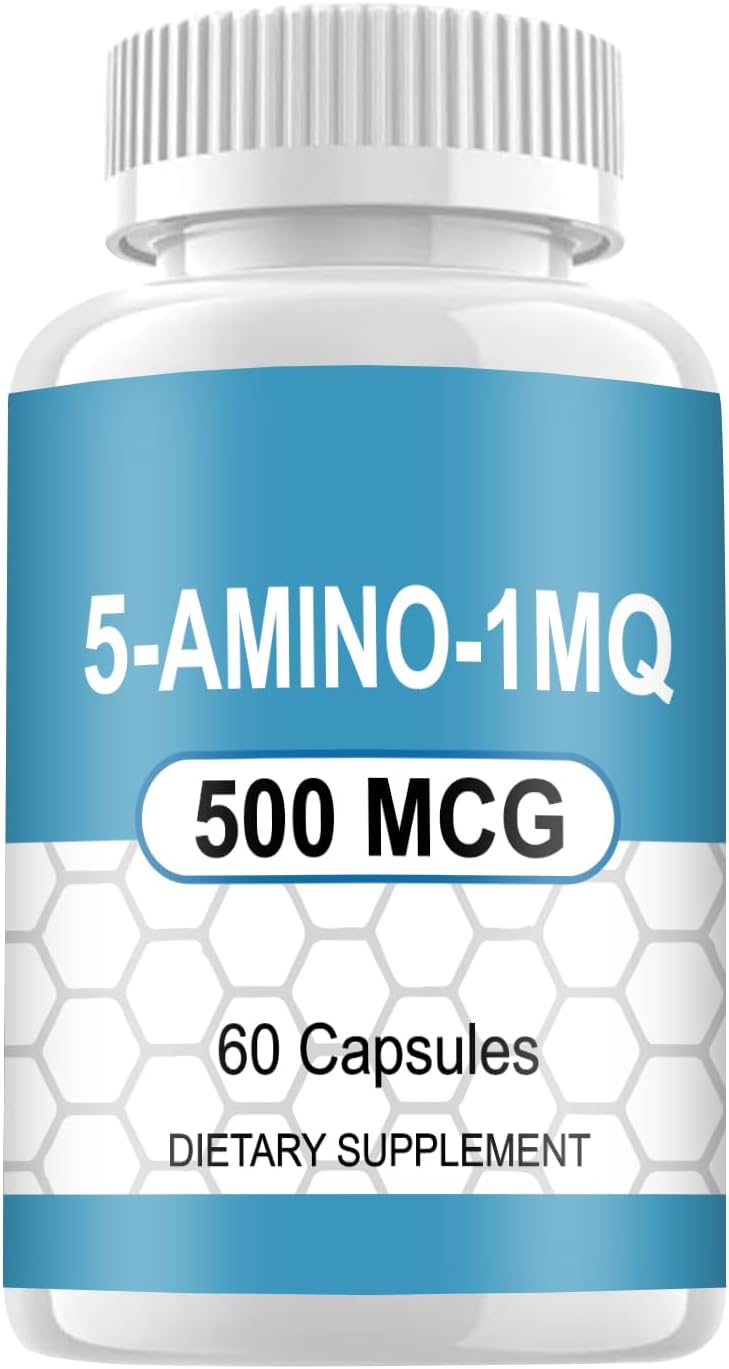
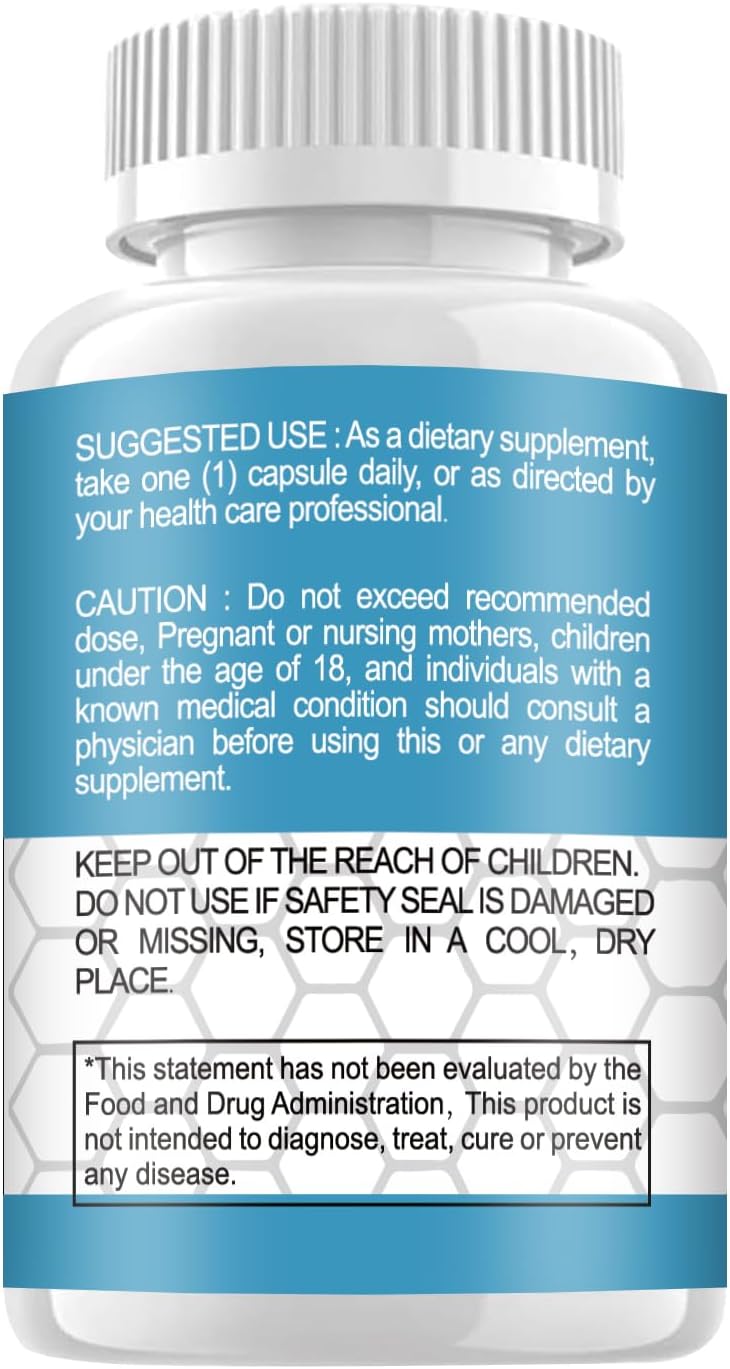
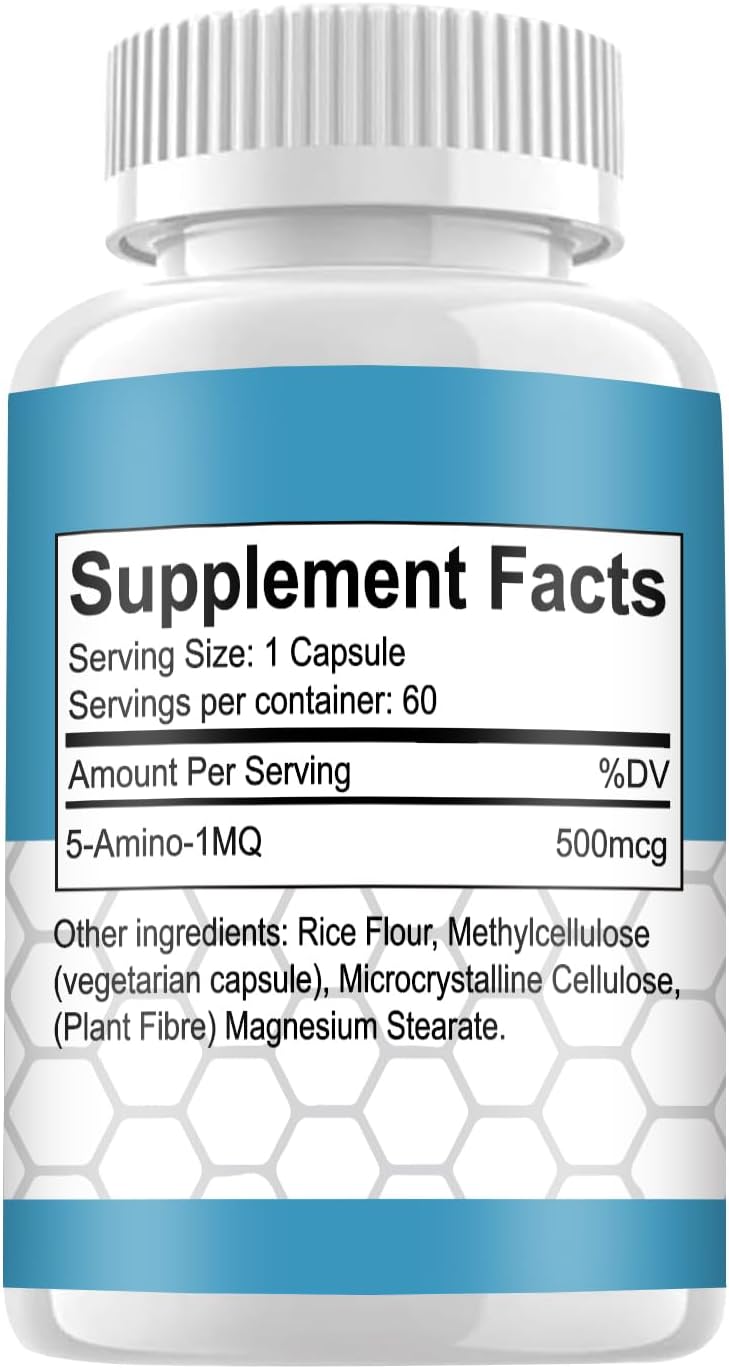

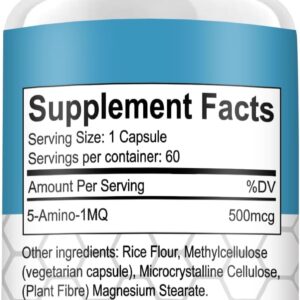
5-Amino-1MQ | Selective NNMT Inhibitor | Metabolic Research Standard


Original price was: $100.00.$83.00Current price is: $83.00.
5-Amino-1MQ is a potent, selective, and membrane-permeable inhibitor of the enzyme nicotinamide N-methyltransferase (NNMT). Found primarily in adipose tissue and the liver, NNMT acts as a metabolic “brake” by depleting cellular NAD+ and preventing the browning of white fat. By blocking this enzyme, 5-Amino-1MQ facilitates an increase in intracellular NAD+ levels, effectively “releasing the brake” on metabolism to accelerate fat oxidation and improve muscle contractile function in research models.
5-Amino-1MQ: The Science of Selective NNMT Inhibition and Bioenergetics
The Role of NNMT in Metabolic Dysfunction
Nicotinamide N-methyltransferase (NNMT) is a cytosolic enzyme that transfers a methyl group from S-adenosyl-L-methionine (SAM) to nicotinamide (NAM). In obese and aged research models, NNMT levels are significantly upregulated. This elevation leads to a “methyl drain” and a reduction in NAD+ availability, which impairs mitochondrial function and promotes fat accumulation. 5-Amino-1MQ was specifically engineered to bind to the active site of NNMT, reversing these effects without interfering with other methyltransferases.
Mechanism of Action: Enhancing the NAD+ Salvage Pathway
In advanced metabolic research, 5-Amino-1MQ functions through several distinct biological pathways:
-
SIRT1 Activation: By inhibiting NNMT, 5-Amino-1MQ increases the availability of NAD+, which is a critical co-factor for SIRT1. This “longevity gene” subsequently activates the PGC-1$\alpha$ pathway to drive mitochondrial biogenesis.
-
White Adipose Tissue (WAT) Browning: It promotes the thermogenic gene program in white fat, encouraging its conversion into “beige” fat, which burns energy rather than storing it.
-
Inhibition of Gluconeogenesis: Research indicates that 5-Amino-1MQ can suppress excess glucose production in the liver, helping to normalize systemic insulin sensitivity.
-
Muscle Fiber Hypertrophy: Unlike traditional weight-loss agents, 5-Amino-1MQ has been observed to enhance the proliferation of myoblasts and prevent muscle wasting (sarcopenia) by optimizing the energy efficiency of skeletal muscle fibers.
Primary Research Applications of 5-Amino-1MQ
-
Obesity Research: Studying the reduction of adipocyte size and overall body weight in high-fat diet models.
-
Age-Related Sarcopenia: Investigating the preservation of muscle mass and the enhancement of grip strength in aging subjects.
-
Type 2 Diabetes: Analyzing the peptide’s ability to lower fasting blood glucose and improve glucose tolerance.
-
Longevity Science: Observing the effects of increased NAD+ levels on genomic stability and cellular repair mechanisms.
4. Technical Specifications (E-E-A-T Data)
| Feature | Scientific Specification |
| Chemical Name | 5-Amino-1-methylquinolinium |
| Molecular Formula | $C_{10}H_{11}N_{2}^{+}$ |
| Molecular Weight | 159.21 g/mol (as cation) |
| Purity Grade | $\geq$99% (HPLC & NMR Verified) |
| Appearance | Bright Yellow Powder/Capsules |
| Storage | Store at 4°C for short term; -20°C for long term |
5. Product FAQ
Q: How does 5-Amino-1MQ differ from NAD+ precursors like NMN?
A: While NMN and NR provide the raw materials for NAD+ synthesis, 5-Amino-1MQ stops the depletion of NAD+ by the NNMT enzyme. In research, these two approaches are often studied together to achieve a synergistic “stack” for maximal NAD+ elevation.
Q: Why is 5-Amino-1MQ considered a “fat loss” agent?
A: It is classified this way because it specifically targets the metabolic pathways in white adipose tissue. By increasing the metabolic rate of fat cells and preventing them from growing (lipogenesis), it facilitates a significant reduction in fat mass while sparing lean muscle.
Only logged in customers who have purchased this product may leave a review.
Related products

PERFORMANCE PEPTIDES
Thymalin (Thymus Peptide) 10mg | High-Purity Immunomodulatory

MUSCLE GROWTH & ANABOLIC PEPTIDES

GROWTH HORMONE SECRETAGOGUES
CJC-1295 + Ipamorelin Blend (5mg/5mg) | Synergistic GHS Research

GROWTH HORMONE SECRETAGOGUES
FAT LOSS & METABOLIC PEPTIDES
HGH Fragment 176-191 | 5mg High-Purity Lipolytic Peptide | $\geq$99% Purity

FAT LOSS & METABOLIC PEPTIDES
MOTS-c Peptide 10mg | Mitochondrial Exercise Mimetic | $\geq$99% Purity

PERFORMANCE PEPTIDES
Hydrolysed Collagen Peptides (Type I & III) | Grass-Fed | Multi-Tissue Support

ENDURANCE & ENERGY PEPTIDES
Selank Peptide | 10mg High-Purity Tuftsin Analog | Neuro-Research Grade

Reviews
There are no reviews yet.