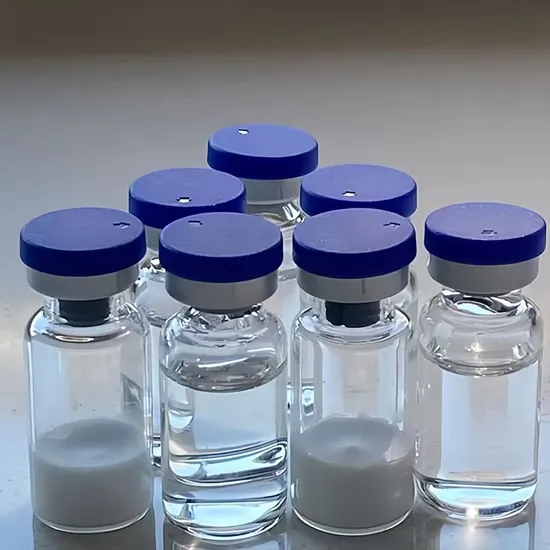
peptide research chemicals for sale
Research Peptides: Ultimate Guide to Uses, Quality & Top Compounds in 2026

May
Research Peptides: The Complete 2026 Guide to Quality, Applications, and Scientific Potential
Research peptides represent one of the most dynamic and promising areas in modern biomedical science. These short chains of amino acids are designed to target specific biological pathways with high precision, offering researchers powerful tools to investigate healing, longevity, cognitive enhancement, metabolic regulation, and tissue repair. Unlike traditional small-molecule drugs, research peptides often mimic natural signaling molecules, allowing them to interact with receptors and enzymes with remarkable specificity and relatively favorable safety profiles in preclinical models.
At Titan Forge Peptides, we specialize in supplying high-purity research peptides backed by independent testing, supporting the scientific community’s pursuit of groundbreaking discoveries across multiple disciplines.
Understanding Research Peptides: What Sets Them Apart
Research peptides are synthetic or naturally derived sequences typically ranging from 2 to 50 amino acids. They act as highly selective modulators of physiological processes. Their advantages include:
- High target specificity
- Ability to influence gene expression, protein synthesis, and cellular communication
- Generally lower toxicity compared to many synthetic compounds
- Versatility across therapeutic areas
Because they are intended strictly for laboratory research and educational purposes, research peptides allow scientists to explore mechanisms that would be difficult or unethical to study through other means. Their rapid development in recent years has been fueled by advances in solid-phase peptide synthesis, improved purification techniques, and a deeper understanding of human biochemistry.
Major Categories of Research Peptides
The landscape of research peptides is broad and continues to expand. Key categories include:
1. Healing & Recovery Peptides Compounds like BPC-157 and TB-500 (Thymosin Beta-4) are extensively studied for their ability to accelerate tissue repair, reduce inflammation, and promote angiogenesis. These peptides show particular promise in musculoskeletal, gastrointestinal, and wound-healing research.
2. Longevity & Anti-Aging Peptides Epitalon, Pinealon, and GHK-Cu are popular subjects in geroprotective research. They target fundamental aging hallmarks such as telomere shortening, epigenetic changes, oxidative stress, and mitochondrial function.
3. Cognitive & Nootropic Peptides Semax, Selank, and Dihexa lead studies on neuroprotection, BDNF upregulation, synaptogenesis, and stress resilience. These research peptides are investigated for potential applications in cognitive decline, anxiety, stroke recovery, and neurodegenerative conditions.
4. Metabolic & Weight Management Peptides Semaglutide, Tirzepatide, and AOD-9604 represent a new frontier in appetite regulation, insulin sensitivity, fat metabolism, and cardiovascular research.
5. Immune-Modulating & Thymic Peptides Thymosin Alpha-1, Thymulin, and related compounds are studied for their role in immune system restoration and resilience.
Mechanisms of Action: How Research Peptides Deliver Results
What makes research peptides particularly fascinating is their ability to work at multiple levels:
- Receptor Activation: Many act as agonists or antagonists at specific G-protein coupled receptors.
- Growth Factor Mimicry: They upregulate or mimic natural growth factors such as VEGF, NGF, and BDNF.
- Epigenetic Modulation: Some influence gene expression without altering DNA sequences.
- Anti-Inflammatory Pathways: They downregulate pro-inflammatory cytokines while supporting resolution of inflammation.
- Cellular Repair: Promotion of DNA repair, autophagy, and mitochondrial biogenesis.
This multi-target approach gives research peptides an edge over single-pathway pharmaceuticals in complex biological systems.
Quality Standards in Research Peptides: Why Purity Matters
The effectiveness and reliability of any study depend heavily on the quality of the research peptides used. Top-tier suppliers provide:
- Purity levels of 98%–99.9% verified by HPLC and Mass Spectrometry
- Lot-specific Certificates of Analysis (COA)
- Third-party independent lab testing
- Proper lyophilization and cold-chain handling
Lower purity can introduce significant experimental variables through truncated sequences, residual solvents, or bacterial endotoxins. Serious researchers always prioritize transparent, independently verified research peptides.
Reconstitution, Storage & Laboratory Best Practices
Proper handling is essential for maintaining the integrity of research peptides:
- Use bacteriostatic water for reconstitution
- Store lyophilized vials in a cool, dark place
- Refrigerate reconstituted solutions
- Avoid repeated freeze-thaw cycles
- Gently swirl — never shake vigorously
Our peptide calculator helps researchers achieve precise concentrations and dosing calculations.
Current Hot Areas in Research Peptides (2026)
- Longevity Escape Velocity — Combining telomerase activators with senolytics and NAD+ precursors
- Neuroregeneration — Using peptides to support recovery after brain injury or in degenerative diseases
- Gut-Brain Axis — Exploring oral-stable peptides like BPC-157 for systemic effects
- Combination Therapies — Strategic stacking of complementary peptides for synergistic outcomes
- Personalized Research — Tailoring peptide protocols based on individual biomarkers
Challenges and Future Directions
Despite remarkable progress, challenges remain in bioavailability, delivery methods, long-term safety data, and regulatory frameworks. Scientists are actively developing oral formulations, nanoparticle delivery systems, and more stable analogs to overcome these limitations.
The future of research peptides looks exceptionally bright as tools like CRISPR screening, AI-driven peptide design, and advanced imaging allow for faster discovery and optimization of new sequences.
Why Researchers Choose Titan Forge Peptides
We are committed to advancing science by providing consistently high-purity research peptides with full transparency. Every product is manufactured to strict standards and tested independently so researchers can focus on results instead of questioning material quality.
Browse our complete selection in the shop or explore specialized categories:
External Resources for Deeper Study:
Frequently Asked Questions
Are research peptides the same as pharmaceutical peptides? Research peptides are supplied in lyophilized form for laboratory use, while pharmaceutical versions are finished dosage forms approved for specific medical indications.
How do I know if research peptides are high quality? Demand lot-specific COAs from independent labs showing HPLC purity above 98% and mass spec confirmation.
Can different research peptides be combined? Many researchers study synergistic combinations, but this requires careful planning and literature review.
What is the biggest advantage of research peptides? Their ability to precisely modulate biological pathways with high selectivity and often fewer off-target effects compared to traditional drugs.
Research peptides continue to push the boundaries of what’s possible in regenerative medicine, metabolic science, neuroscience, and healthy aging. As synthesis and delivery technologies improve, their role in scientific discovery is expected to grow exponentially.
Whether you are investigating cutting-edge longevity protocols, tissue regeneration, cognitive enhancement, or metabolic optimization, access to reliable, high-purity research peptides remains the foundation of meaningful results.