best peptides for weight loss and muscle gain
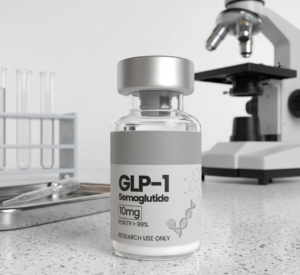
Semaglutide Research Peptide: GLP-1 Agonist, Weight Loss, Metabolic & Longevity Studies 2026
May
Semaglutide Research Peptide: The Powerful GLP-1 Receptor Agonist Transforming Metabolic Research in 2026
The semaglutide research peptide has emerged as one of the most significant and widely studied compounds in metabolic science, diabetes research, and obesity studies. As a synthetic analog of the human glucagon-like peptide-1 (GLP-1) hormone, semaglutide stands out due to its extended half-life and exceptional potency compared to native GLP-1.
At Titan Forge Peptides, we provide high-purity research-grade semaglutide for laboratory and educational purposes, allowing researchers to explore its multifaceted effects on appetite regulation, glucose metabolism, and systemic health.
What is Semaglutide Research Peptide?
Semaglutide is a 31-amino acid peptide with structural modifications (including a C18 fatty acid chain) that dramatically increase its stability and duration of action. While native GLP-1 lasts only a few minutes in the body, the semaglutide research peptide maintains activity for approximately one week, making it highly practical for research protocols.
Originally developed for type 2 diabetes research, this peptide has become a cornerstone compound in studies involving weight management, cardiovascular outcomes, and potential neuroprotective applications.
How Semaglutide Research Peptide Works: Key Mechanisms
The semaglutide research peptide primarily acts as a potent GLP-1 receptor agonist. Its main mechanisms include:
- Glucose-Dependent Insulin Secretion: Stimulates insulin release only when blood glucose is elevated, reducing hypoglycemia risk.
- Glucagon Suppression: Lowers glucagon secretion from pancreatic alpha cells.
- Gastric Emptying Delay: Slows digestion, promoting prolonged satiety.
- Appetite Regulation: Acts on hypothalamic centers to reduce hunger and food cravings.
- Central Nervous System Effects: Influences reward pathways and food motivation in the brain.
These combined actions create powerful effects on energy balance and metabolic function, which explains the intense research interest in the semaglutide research peptide.
Major Areas of Research on Semaglutide
1. Weight Management and Body Composition Clinical and preclinical studies consistently show significant reductions in body weight. Researchers report average losses of 15-20% of initial body weight in longer-term protocols, with notable decreases in visceral fat. The semaglutide research peptide appears to target fat loss while helping preserve lean muscle mass when combined with proper nutrition.
2. Glycemic Control and Insulin Sensitivity Semaglutide demonstrates excellent HbA1c reduction and improved insulin sensitivity. It supports pancreatic beta-cell function and may help preserve beta-cell mass in research models.
3. Cardiovascular Protection Large-scale studies have shown meaningful reductions in major adverse cardiovascular events (MACE), including heart attack, stroke, and cardiovascular death. This makes the semaglutide research peptide highly relevant in cardioprotective research.
4. Neuroprotective and Cognitive Research Emerging studies explore semaglutide’s potential benefits for neurodegenerative conditions. Researchers are investigating its effects on Alzheimer’s, Parkinson’s, and general neuroinflammation due to GLP-1 receptors in the brain.
5. Anti-Inflammatory and Organ Protection The peptide shows promising effects on liver fat reduction (NAFLD/NASH research), kidney protection, and systemic inflammation markers.
Semaglutide Research Dosage Guidelines
Research protocols vary widely depending on study goals:
- Starting dose: Often 0.25 mg to 0.5 mg per week
- Titration: Gradual increases up to 1 mg, 1.7 mg, or 2.4 mg weekly
- Administration: Subcutaneous injection (most common in research)
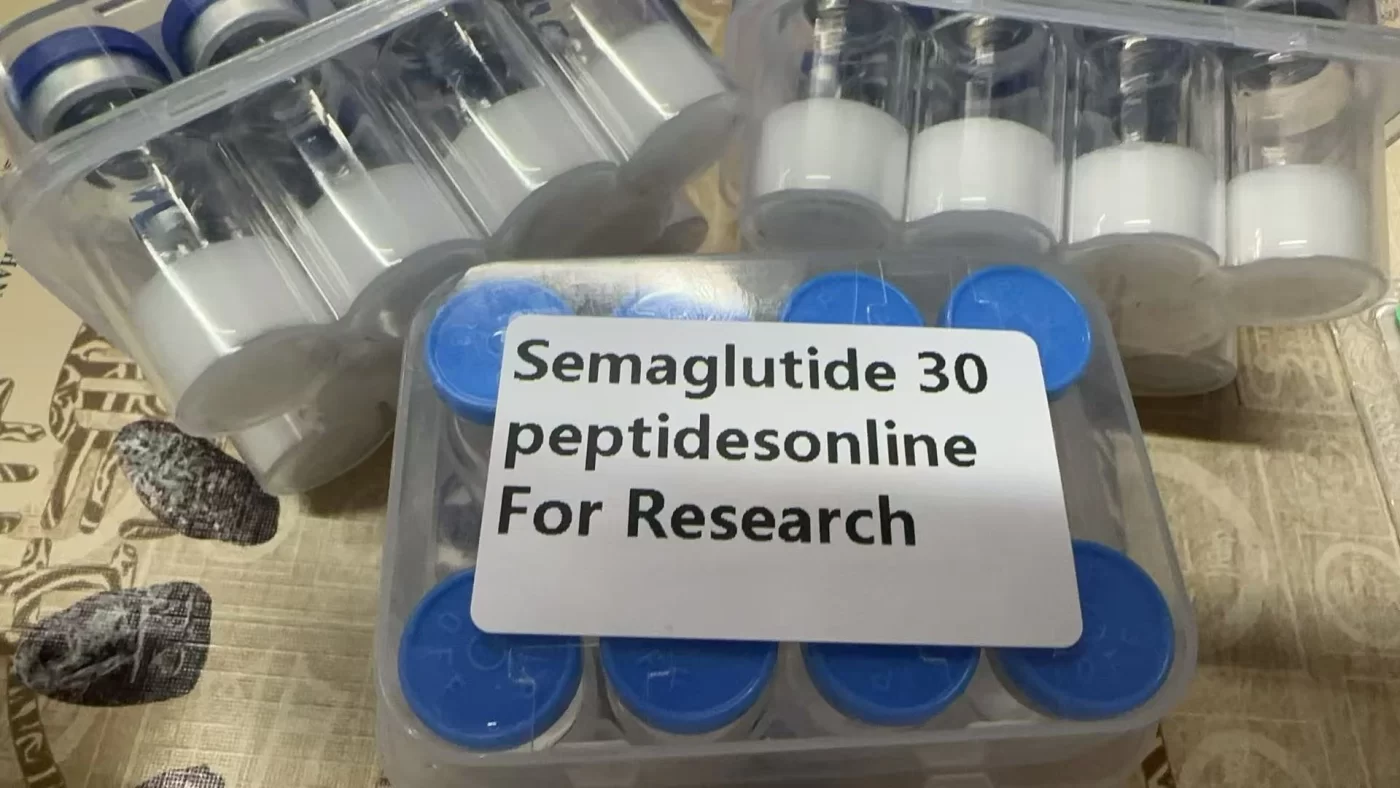
Always use our free peptide calculator for accurate reconstitution and dosing calculations when working with lyophilized semaglutide research peptide.
Reconstitution and Handling Best Practices
Most researchers reconstitute semaglutide vials with bacteriostatic water. Common concentrations range from 0.5 mg/ml to 5 mg/ml depending on protocol needs. Store both lyophilized and reconstituted forms in the refrigerator. Gently swirl — do not shake — to maintain peptide integrity.
Semaglutide vs Other GLP-1 Research Peptides
- Semaglutide: Longer half-life, strong weight loss effects, convenient weekly dosing.
- Tirzepatide: Dual GLP-1/GIP agonist, often shows even greater weight loss in comparative studies.
- Liraglutide: Shorter-acting daily version.
- Retatrutide: Triple agonist (GLP-1/GIP/Glucagon) currently in advanced research.
The semaglutide research peptide remains a benchmark compound due to its extensive safety data and proven efficacy.
Safety Profile and Research Considerations
In research settings, common observations include:
- Gastrointestinal effects (nausea, reduced appetite)
- Temporary changes in gastric motility
- Mild injection site reactions
Long-term studies show a generally favorable profile when used according to established protocols. As with all research peptides, the semaglutide research peptide is intended strictly for laboratory and educational use.
Why Purity Matters with Semaglutide Research Peptide
High-purity semaglutide (98%+) is essential for reliable results. Impurities can affect receptor binding affinity and introduce unwanted variables. At Titan Forge, every batch undergoes rigorous third-party testing to ensure researchers receive consistent, high-quality material.
The Future of Semaglutide Research in 2026
Ongoing investigations explore:
- Long-term effects on longevity and healthy aging
- Combination therapies with other peptides
- Applications in addiction, compulsive behavior, and neurodegenerative diseases
- Oral delivery formulations and new analogs
Ready to Advance Your Research?
At Titan Forge Peptides, we supply research-grade semaglutide research peptide and other high-purity metabolic compounds. Browse our full shop or explore our wellness & anti-aging peptides and performance peptides collections.
For deeper scientific reading:
Frequently Asked Questions
What is the difference between semaglutide research peptide and Ozempic/Wegovy? They contain the same active molecule. Research peptides are supplied in lyophilized form for laboratory use, while commercial products are pre-formulated medications.
How long does semaglutide research peptide stay active? Its extended half-life allows for once-weekly administration in most research protocols.
Can semaglutide be combined with other research peptides? Many researchers study combinations with BPC-157 (for gut support), AOD-9604, or growth hormone-related peptides. Careful planning is required.
Why is semaglutide considered a breakthrough in metabolic research? Its ability to produce substantial, sustained weight loss while improving multiple metabolic markers sets it apart from previous compounds.
The semaglutide research peptide continues to reshape our understanding of metabolic regulation, appetite control, and systemic health. Its versatility makes it one of the most valuable tools in modern peptide research.