Uncategorized
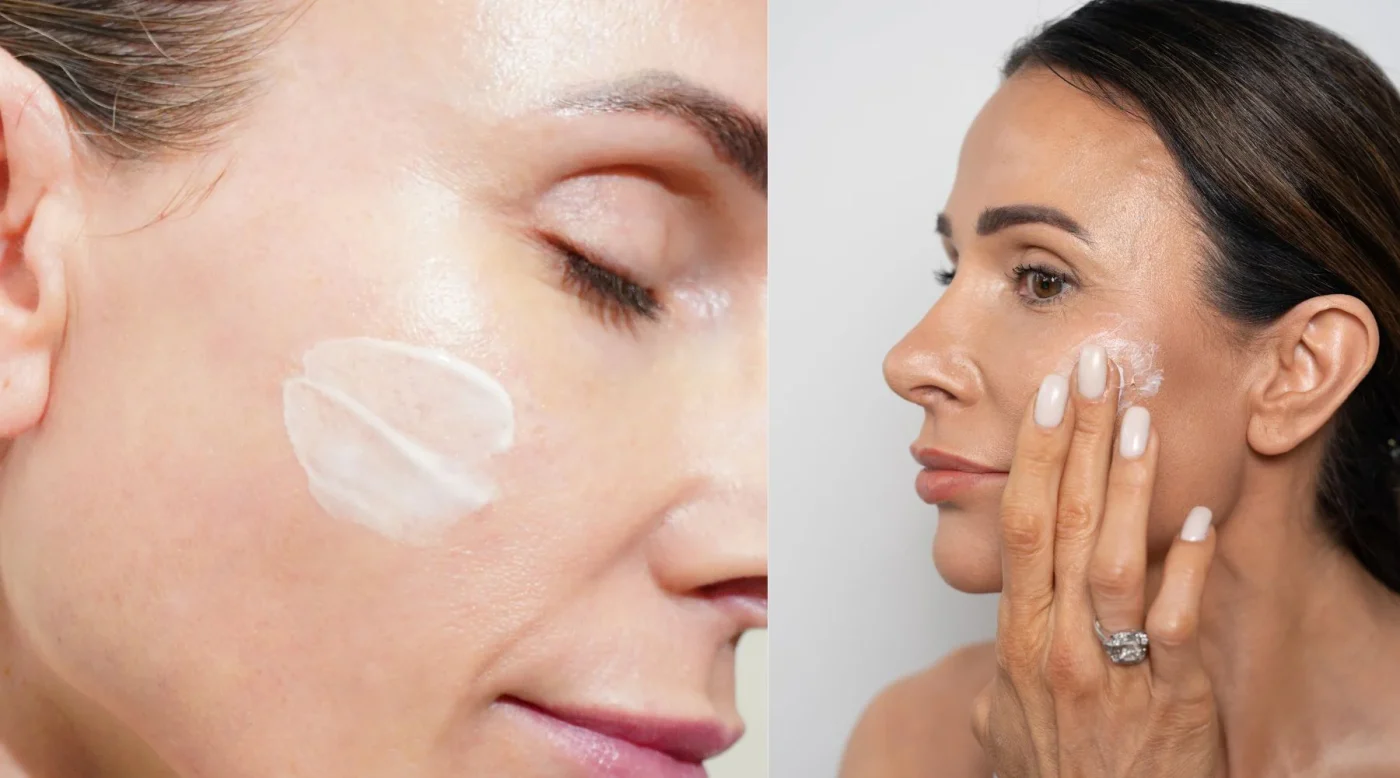
Collagen Peptides for Skin: Groundbreaking Science Revealed
Jul
Best Collagen Peptides for Skin: What the Science Actually Says (2026)
Collagen peptides for skin is one of the most commercially saturated topics in the supplement industry — which means it is also one of the most difficult areas to find genuinely honest, evidence-grounded information. The market is flooded with collagen peptides for skin products making near-identical claims about wrinkle reduction, elasticity improvement, and radiant glow — most of them backed by cherry-picked studies, selective citation, or outright unsupported assertions designed to drive sales rather than inform decisions.
This guide is different. It examines what the clinical evidence actually shows about collagen peptides for skin — the published randomised controlled trials, the established mechanisms, the honest limitations, and the specific protocol variables that determine whether collagen peptides for skin supplementation produces the outcomes it is capable of. By the end of this guide you will have a genuinely evidence-informed understanding of collagen peptides for skin — which type works best, what dose is supported by trials, how long the skin results timeline takes, and what complementary approaches maximise collagen peptides for skin outcomes for your specific situation.
Why Skin Collagen Declines and Why Collagen Peptides for Skin Matter
Understanding why skin collagen declines with age gives essential biological context for why collagen peptides for skin supplementation is pharmacologically relevant — not just a wellness trend.
Skin’s structural integrity — its firmness, elasticity, and the dense collagen fibril network that gives young skin its characteristic bounce — depends almost entirely on Type I and Type III collagen produced by dermal fibroblasts. At peak production in early adulthood, dermal fibroblasts synthesise collagen continuously — maintaining the structural matrix that keeps skin firm, hydrated, and resilient. From the mid-twenties onwards endogenous collagen production declines at approximately 1 to 1.5 percent per year — a slow but relentless reduction that accumulates over decades into the visible structural changes associated with skin ageing — loss of firmness, increased wrinkle depth, reduced elasticity, and the characteristic dull, less radiant appearance that distinguishes aged skin from youthful skin.
UV radiation — the single largest environmental driver of premature skin collagen decline — directly damages dermal fibroblasts, generates reactive oxygen species that cleave existing collagen fibres, and upregulates matrix metalloproteinases (MMPs) — enzymes that actively break down dermal collagen. The combined effect of age-related synthesis decline and UV-driven collagen degradation is the progressive deterioration of the dermal collagen matrix that collagen peptides for skin supplementation specifically aims to address.
Collagen peptides for skin work by providing the glycine, proline, and hydroxyproline amino acid substrate that dermal fibroblasts need to synthesise new Type I and Type III collagen — partially compensating for the age-related decline in fibroblast synthetic activity and partially reversing the amino acid substrate deficit that limits how effectively skin repairs UV and oxidative damage. As documented in PubMed’s collagen peptide skin fibroblast research, this fibroblast stimulation mechanism is the most extensively validated biological basis for collagen peptides for skin benefits in the published literature.
The Clinical Evidence for Collagen Peptides for Skin
Trial Category 1 — Skin Elasticity and Firmness
The most extensively studied skin outcome in collagen peptides for skin clinical research is skin elasticity — measurable by cutometry (a standardised instrument that measures skin deformation and recovery under suction) and strongly correlated with the structural integrity of the dermal collagen matrix.
Multiple randomised double-blind placebo-controlled trials examining collagen peptides for skin have demonstrated statistically significant improvements in skin elasticity at 8 to 12 weeks of daily supplementation. The landmark Proksch et al. study — one of the most cited in collagen peptides for skin research — demonstrated significant improvements in skin elasticity in women aged 35 to 55 supplementing 2.5 g of specific bioactive collagen peptides daily for 8 weeks compared to placebo. The improvements in skin elasticity from collagen peptides for skin were maintained and enhanced at 4 weeks post-supplementation — suggesting structural rather than superficial changes.
A follow-up trial from the same research group examining collagen peptides for skin at the same dose demonstrated significant reductions in eye wrinkle depth at 4 and 8 weeks — measured by 3D skin surface analysis rather than self-reporting — establishing objectively measurable wrinkle reduction as a clinically documented outcome of collagen peptides for skin supplementation.
Trial Category 2 — Skin Hydration
Collagen peptides for skin consistently improve skin hydration across published trials — an effect mediated through collagen peptide-stimulated hyaluronic acid synthesis in dermal fibroblasts alongside the direct structural collagen improvement that reduces transepidermal water loss. A meta-analysis of randomised controlled trials on collagen peptides for skin published in the Journal of Cosmetic Dermatology demonstrated consistent, statistically significant improvements in skin hydration metrics at 8 to 12 weeks compared to placebo across the pooled trial population.
The skin hydration benefit from collagen peptides for skin is typically the earliest observable change on the collagen peptides timeline — often becoming noticeable within 2 to 4 weeks of daily supplementation as hyaluronic acid synthesis responds to collagen peptide stimulation faster than structural new collagen fibres can form. Our collagen peptides timeline guide covers the complete week-by-week progression of collagen peptides for skin results.
Trial Category 3 — Wrinkle Reduction
The wrinkle reduction evidence for collagen peptides for skin is the most commercially important and the most frequently misrepresented category in the collagen supplement industry. The honest evidence-based assessment is that collagen peptides for skin produce real, objectively measurable reductions in fine line and wrinkle depth — but the magnitude is moderate and develops gradually over 8 to 16 weeks of consistent supplementation rather than dramatically in 2 to 4 weeks as many marketing claims imply.
The most methodologically rigorous collagen peptides for skin wrinkle trials use 3D skin surface profilometry rather than self-reporting to measure wrinkle outcomes — and these objective measurements consistently demonstrate 10 to 20 percent reductions in wrinkle depth at 8 to 12 weeks compared to placebo in well-designed randomised controlled trials. These are clinically meaningful improvements — visible in photographic documentation and statistically significant in objective measurement — but they are incremental structural changes rather than dramatic transformations.
As reviewed in Examine.com’s collagen peptide skin evidence analysis, the body of evidence for collagen peptides for skin is among the strongest of any oral supplement in the dermatology and cosmetic nutrition literature — with a consistent pattern of positive findings across independent research groups using different collagen peptide products and different trial populations.
Honest Limitations of the Collagen Peptides for Skin Evidence
An evidence review of collagen peptides for skin must acknowledge limitations alongside strengths:
Industry funding bias: A significant proportion of positive collagen peptides for skin trials have received funding from collagen supplement manufacturers — introducing potential publication bias and outcome optimisation that independent replication has not always fully confirmed.
Relatively short trial durations: Most collagen peptides for skin trials run for 8 to 12 weeks — capturing the initial structural improvement phases but not the full cumulative benefit that the collagen peptides timeline suggests continues developing at 4 to 6 months.
Population heterogeneity: Trial populations vary in age, baseline skin condition, dietary collagen intake, sun damage history, and supplement compliance — making it difficult to predict individual response to collagen peptides for skin with precision.
Dose and product variation: Different trials use different collagen peptide products at different doses — making direct cross-trial comparison difficult and highlighting the importance of product quality and molecular weight in determining collagen peptides for skin outcomes.
Best Collagen Types for Skin: What the Evidence Recommends
Not all collagen peptides for skin products are equally effective — the collagen type and source significantly determine how well a product delivers the skin outcomes the clinical evidence supports.
Marine Type I Collagen — Best for Skin Firmness and Wrinkle Reduction
Marine collagen peptides — derived from fish skin and scales — are exclusively Type I collagen and have the lowest average molecular weight of any commercial collagen source (3,000 to 5,000 daltons). This combination of Type I specificity and superior bioavailability makes marine collagen the most targeted and most efficiently absorbed collagen peptides for skin firmness and wrinkle reduction.
The lower molecular weight of marine collagen peptides means more bioactive collagen fragments reach dermal fibroblasts per gram consumed compared to bovine collagen — producing faster and more pronounced stimulation of Type I dermal collagen synthesis. For skin firmness-focused collagen peptides for skin goals, marine collagen is the evidence-backed first choice. Our marine collagen vs bovine collagen guide covers the bioavailability comparison in full detail.
Bovine Type I and III Collagen — Best for Complete Skin Anti-Aging
Bovine collagen peptides naturally contain both Type I and Type III collagen — reflecting their co-distribution in bovine hide connective tissue. Type III collagen contributes specifically to skin elasticity and softness — the quality of skin that bounces back and feels supple — alongside Type I’s structural firmness contribution. For collagen peptides for skin users who want both firmness and elasticity addressed in a single product, bovine collagen’s Type I and III combination is the more complete skin anti-aging option.
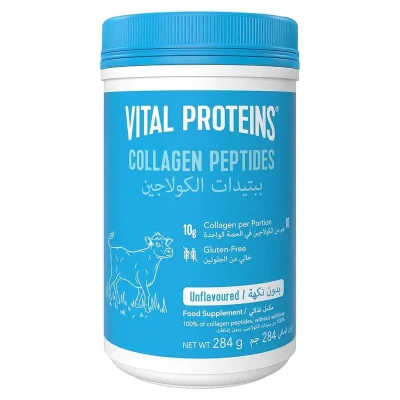
The combination of marine collagen (for Type I bioavailability and skin firmness) and bovine collagen (for Type III elasticity and comprehensive skin coverage) represents the most comprehensive collagen peptides for skin protocol available. Browse our complete collagen peptides range for both marine and bovine options.
Collagen Peptides for Skin: Optimal Dosage Protocol
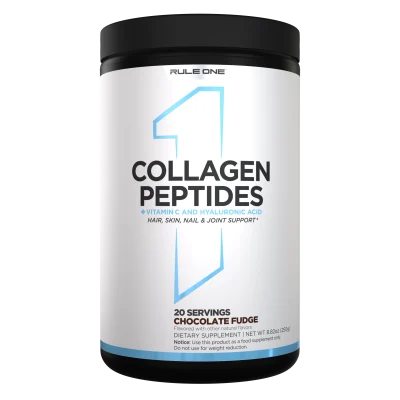
The collagen peptides for skin dosage evidence supports the following protocol for maximum skin outcomes:
Standard collagen peptides for skin dosage:
- Marine collagen (Type I — firmness focus): 2.5 g to 10 g daily
- Bovine collagen (Types I + III — complete skin): 10 g to 15 g daily
- Combined marine and bovine: 5 g marine + 10 g bovine for comprehensive coverage
Vitamin C co-administration — non-negotiable for collagen peptides for skin:
Always take collagen peptides for skin with 50 mg to 500 mg of Vitamin C — it is a required enzymatic cofactor for collagen hydroxylation that directly determines how efficiently collagen peptide amino acids are incorporated into new dermal collagen fibres. Without adequate Vitamin C the collagen peptides for skin mechanism is significantly impaired regardless of dose or product quality.
Timing for collagen peptides for skin:
For general skin health — any time daily with Vitamin C. Morning with breakfast is the most practical and most adherence-friendly option. Consistency matters more than specific timing for collagen peptides for skin outcomes — daily supplementation without gaps produces significantly better collagen peptides for skin results than inconsistent use.
Duration — commit to the full collagen peptides for skin timeline:
Based on the clinical evidence, meaningful collagen peptides for skin results require a minimum of 8 to 12 weeks of consistent daily supplementation — with maximum skin outcomes developing at 4 to 6 months. Discontinuing collagen peptides for skin at 4 weeks because results are not yet visible is the most common reason collagen supplementation is perceived as ineffective for skin.
Maximising Collagen Peptides for Skin With Complementary Protocols
Collagen peptides for skin reach their maximum effectiveness when combined with complementary peptide and nutritional approaches that address skin collagen from multiple angles simultaneously:
GHK-Cu Topical Serum — The Inside-Out Collagen Peptides for Skin Protocol
The most powerful combination for collagen peptides for skin outcomes is oral collagen peptides alongside topical GHK-Cu copper peptide serum — creating a comprehensive inside-out approach to skin collagen restoration. Oral collagen peptides provide the amino acid substrate for fibroblast collagen synthesis from within the bloodstream. GHK-Cu serum directly activates fibroblast collagen synthesis from the dermal surface — stimulating VEGF, collagen production, and antioxidant gene expression at the cellular level where dermal remodelling occurs.
Together oral collagen peptides and topical GHK-Cu serum cover both the nutritional substrate dimension and the direct cellular activation dimension of skin collagen improvement — producing collagen peptides for skin results significantly faster and more robustly than either approach alone. Our copper peptide serum guide, glow blend peptide article, and GHK-Cu serum product page cover this combination in complete detail.
Matrixyl 3000 — Signal Peptide Complement for Collagen Peptides for Skin
Matrixyl 3000 — combining Palmitoyl Tripeptide-1 and Palmitoyl Tetrapeptide-7 — complements collagen peptides for skin by adding signal peptide collagen stimulation and anti-inflammatory cytokine modulation to the amino acid substrate mechanism. Applied topically in the evening alongside morning oral collagen peptide supplementation, Matrixyl 3000 creates an additional skin collagen synthesis stimulus that reinforces and extends the fibroblast activation already initiated by oral collagen peptides. Explore our Matrixyl 3000 product page for full specifications.
Epitalon — Cellular Renewal Support for Long-Term Skin Health
For users approaching collagen peptides for skin from a longevity and anti-aging perspective, Epitalon’s telomere maintenance and cellular renewal activity supports the proliferative capacity of the dermal fibroblasts that collagen peptides for skin stimulate. As skin fibroblasts age their telomeres shorten — reducing their ability to divide and produce new collagen. Epitalon’s telomerase activation directly counteracts this cellular aging process — maintaining the fibroblast population that collagen peptides for skin supplementation depends on for its long-term efficacy. Our Epitalon product page and anti-aging peptides pillar page cover the complete longevity context.
BPC-157 — Systemic Recovery Support for Skin Under Stress
For athletes and active individuals whose skin experiences elevated oxidative stress from training, UV exposure, and physiological recovery demands — BPC-157’s anti-inflammatory and angiogenic activity supports the skin’s vascular and cellular environment in which collagen peptides for skin operate. BPC-157 reduces systemic inflammatory burden that would otherwise accelerate skin collagen degradation alongside training stress — making it a meaningful companion to collagen peptides for skin in high-training athletic protocols. Our BPC-157 product page and BPC-157 benefits article cover the complete BPC-157 protocol.
The Collagen Peptides for Skin Results Timeline
| Collagen Peptides for Skin Phase | Biological Change | Visible Outcome |
|---|---|---|
| Week 1 to 2 | Increased circulating hydroxyproline peptides | No visible change — substrate building |
| Week 2 to 4 | Hyaluronic acid synthesis upregulation | Improved skin hydration and plumpness |
| Week 4 to 8 | Initial new Type I collagen fibre synthesis | Improved texture, early firmness increase |
| Week 8 to 12 | Measurable structural dermis improvement | Significant elasticity increase, wrinkle reduction |
| Month 4 to 6 | Full structural dermis remodelling | Maximum collagen peptides for skin results |
Frequently Asked Questions
Q: Do collagen peptides really work for skin?
A: Yes — the clinical evidence for collagen peptides for skin is among the strongest in the supplement literature. Multiple independent randomised controlled trials demonstrate statistically significant improvements in skin elasticity, hydration, and wrinkle depth at 8 to 12 weeks of daily collagen peptides for skin supplementation. The biological mechanisms — fibroblast amino acid substrate provision and hyaluronic acid synthesis stimulation — are well-characterised and biologically plausible. The honest qualification is that results require 8 to 12 weeks minimum and are moderate in magnitude rather than dramatic.
Q: Which collagen peptides are best for skin?
A: For skin firmness and wrinkle reduction — marine Type I collagen wins due to superior bioavailability. For skin elasticity and softness — bovine Types I and III collagen provides the Type III coverage that marine collagen’s Type I-only profile cannot. For complete skin anti-aging — combining marine and bovine collagen covers all dimensions simultaneously. Our marine collagen vs bovine collagen guide and Type I vs Type II vs Type III collagen article cover the full type selection framework.
Q: How long do collagen peptides take to work for skin?
A: The collagen peptides for skin timeline begins with improved hydration at weeks 2 to 4, progresses to measurable elasticity and early wrinkle reduction at weeks 8 to 12, and reaches maximum skin results at months 4 to 6 of consistent daily supplementation. Our collagen peptides timeline guide covers the complete week-by-week breakdown.
Q: What dose of collagen peptides is best for skin?
A: The most widely studied dose in collagen peptides for skin clinical trials is 2.5 g to 10 g daily — with 2.5 g showing significant results in the Proksch studies and higher doses of 10 g producing more pronounced outcomes in longer duration trials. Always combine with Vitamin C as a required cofactor for maximum collagen peptides for skin efficacy.
Q: Can collagen peptides improve acne or skin conditions?
A: The collagen peptides for skin clinical evidence focuses primarily on structural ageing outcomes — elasticity, hydration, and wrinkle reduction — rather than acne or inflammatory skin conditions. BPC-157’s anti-inflammatory mechanisms are more directly relevant to active skin inflammation than collagen peptides for skin supplementation.
Q: Where can I buy the best collagen peptides for skin?
A: TitanForge Peptides supplies marine Type I collagen and bovine Type I and III collagen — both independently quality verified with full documentation. Browse our collagen peptides for skin range here.
