Uncategorized
Collagen Peptides Joint Pain: Powerful Evidence Review 2026
Jul
Collagen Peptides for Joint Pain: A Complete Evidence Review (2026)
Collagen peptides for joint pain is one of the most extensively researched applications in the entire supplement industry — and one of the most frequently misrepresented. The market for joint health supplements is saturated with products making bold claims about pain reduction and mobility restoration, most of them backed by weak evidence, anecdotal testimonials, or industry-funded studies designed to produce favourable outcomes rather than honest answers.
This collagen peptides joint pain evidence review does something different. It examines what the published clinical evidence actually shows — the randomised controlled trials, the mechanistic research, and the honest limitations of the available data — and delivers a balanced, evidence-grounded assessment of whether collagen peptides work for joint pain, which types work best, what the correct dosage is, how long the collagen peptides joint pain timeline takes, and what complementary approaches maximise outcomes for anyone dealing with joint pain as a performance or quality-of-life issue.
Why Joints Degenerate: The Biology Behind Joint Pain
Before examining the collagen peptides joint pain evidence, understanding why joints deteriorate and where collagen fits in that process gives essential context for evaluating the research accurately.
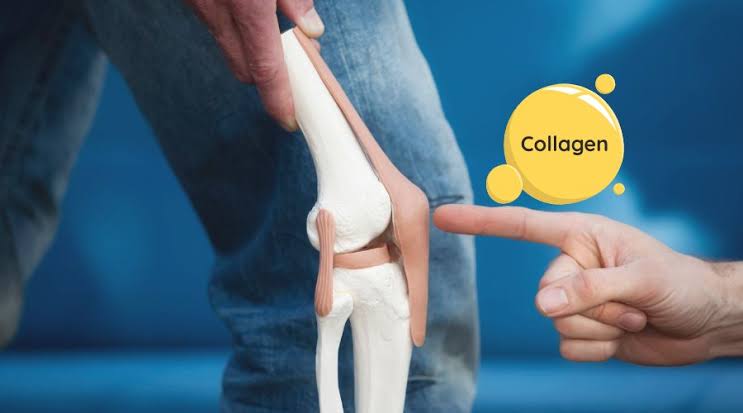
Articular cartilage — the smooth connective tissue covering joint surfaces — is composed of approximately 60 to 70 percent Type II collagen by dry weight, with the remainder being proteoglycans, water, and chondrocyte cells. This collagen-rich matrix absorbs compressive force, distributes mechanical load across joint surfaces, and enables the frictionless movement that healthy joints perform effortlessly. When this cartilage matrix degrades — through age-related decline in chondrocyte synthetic activity, mechanical overload from intensive training, inflammatory joint disease, or injury — the result is the characteristic joint pain, stiffness, and reduced mobility that drives the majority of collagen peptides joint pain supplement purchasing.
The critical limiting factor in cartilage repair is nutritional substrate supply — specifically the glycine, proline, and hydroxyproline required to synthesise new Type II collagen in the cartilage matrix. Cartilage has no direct blood supply — it receives nutrients through diffusion from synovial fluid rather than direct vascular delivery — making it particularly dependent on adequate circulating collagen precursor amino acids to support the repair activity that mechanical loading demands. This nutritional dependency is the fundamental biological rationale for collagen peptides joint pain supplementation — providing the specific amino acids that cartilage collagen synthesis requires through a delivery route that circumvents the vascular access limitation. As documented in PubMed’s chondrocyte collagen synthesis research, oral collagen peptide supplementation produces measurable increases in circulating hydroxyproline-containing peptides that accumulate in cartilage tissue — the mechanistic foundation of collagen peptides joint pain benefits.
The Collagen Peptides Joint Pain Mechanism: How It Works
Collagen peptides for joint pain work through two distinct but complementary mechanisms — one nutritional, one immunological — that together address joint pain through biological pathways that conventional joint supplements do not target.
Mechanism 1 — Amino Acid Substrate Provision for Cartilage Collagen Synthesis
The primary mechanism of collagen peptides joint pain action is the delivery of glycine, proline, and hydroxyproline to chondrocytes — the cellular residents of cartilage responsible for synthesising and maintaining the Type II collagen matrix. When collagen peptides are consumed orally, they are absorbed as intact di- and tripeptides containing hydroxyproline — a collagen-specific amino acid that signals chondrocytes to upregulate collagen synthesis activity.
This substrate provision mechanism in collagen peptides joint pain supplementation directly addresses the nutritional limitation that restricts cartilage repair under both chronic loading and inflammatory conditions. More collagen precursor amino acids circulating in plasma means more substrate available to chondrocytes for Type II collagen matrix repair — progressively rebuilding the cartilage architecture whose degradation produces the mechanical and inflammatory joint pain that collagen peptides joint pain supplementation targets.
Mechanism 2 — Oral Tolerance Immune Modulation (Type II Collagen Specific)
The second and pharmacologically more distinctive mechanism in collagen peptides joint pain research applies specifically to Type II collagen peptides and is called oral tolerance — a process by which orally consumed Type II collagen fragments are recognised by gut-associated immune cells, producing a regulatory immune response that reduces the auto-immune and inflammatory activity directed at cartilage tissue.
In osteoarthritis and inflammatory joint conditions, the immune system generates inflammatory cytokines and immune activity that directly degrades cartilage collagen — a process that oral tolerance from Type II collagen peptides specifically counteracts. This immune modulation mechanism of collagen peptides joint pain action is distinct from the amino acid substrate mechanism and adds a meaningful anti-inflammatory dimension to Type II collagen peptide supplementation that neither Type I collagen peptides nor conventional anti-inflammatory treatments provide through the same pathway.
The dual mechanism — amino acid substrate provision plus oral tolerance immune modulation — makes Type II collagen peptides the most pharmacologically comprehensive collagen source for collagen peptides joint pain applications. Our Type I vs Type II vs Type III collagen guide covers the specific Type II mechanism in full biological detail.

The Clinical Evidence for Collagen Peptides Joint Pain: What the Research Shows
Evidence Category 1 — Randomised Controlled Trials in Osteoarthritis
The strongest clinical evidence for collagen peptides joint pain comes from randomised controlled trials in osteoarthritis populations — the most common and most clinically significant form of joint degeneration.
A significant meta-analysis examining the pooled results of multiple randomised controlled trials on collagen peptide supplementation for joint pain published in PubMed’s collagen joint pain clinical evidence base demonstrated statistically significant reductions in VAS (Visual Analogue Scale) joint pain scores at 8 to 24 weeks of daily collagen peptide supplementation compared to placebo. The effect sizes across trials were consistent — not dramatic, but clinically meaningful — with most studies showing 20 to 40 percent reductions in self-reported joint pain severity alongside improvements in functional mobility assessments.
The most commonly cited collagen peptides joint pain trial from the osteoarthritis literature used 10 g of hydrolysed Type I and III bovine collagen daily over 24 weeks — demonstrating significant improvements in joint pain and functional mobility versus placebo, with improvements continuing to develop throughout the full trial period rather than plateauing at an early timepoint. This extended improvement trajectory is consistent with the collagen peptides joint pain mechanism — structural cartilage remodelling is a slow biological process that produces progressive rather than sudden improvements.
Evidence Category 2 — Athletic Population Joint Pain Trials
Collagen peptides joint pain evidence in athletic populations — a distinct and practically important evidence category — comes from trials examining activity-related joint pain in physically active individuals rather than established osteoarthritis patients.
A landmark trial published in Current Medical Research and Opinion examining collagen peptide supplementation in athletes with activity-related joint pain — primarily knee and hip — demonstrated statistically significant reductions in exercise-related joint pain at 24 weeks compared to placebo. The collagen peptides joint pain benefit in this athletic population was observed across multiple joint sites simultaneously — suggesting systemic rather than purely localised effects on joint connective tissue health.
This athletic population evidence is particularly relevant to bodybuilders and performance athletes using collagen peptides joint pain supplementation — it establishes that the benefits extend beyond established disease populations to physically active individuals whose joint pain is training-related rather than degenerative, validating the collagen peptides joint pain application for sports recovery contexts.
Evidence Category 3 — Type II Collagen Specific Evidence
The most compelling mechanistically distinct evidence in the collagen peptides joint pain literature comes from trials specifically examining undenatured or low-hydrolysis Type II collagen — where the oral tolerance mechanism adds an immunological dimension to the standard amino acid substrate benefit.
Research from Examine.com’s comprehensive collagen evidence overview notes that Type II collagen in its native or minimally processed form demonstrates the oral tolerance mechanism at doses as low as 40 mg daily — dramatically lower than the 10 g doses required for the amino acid substrate mechanism of hydrolysed collagen peptides. This dose difference reflects the different primary mechanism — oral tolerance rather than substrate provision — and means Type II collagen can be practically combined with larger doses of hydrolysed Type I and III collagen for combined mechanism coverage without redundancy.
Honest Limitations of the Collagen Peptides Joint Pain Evidence
An honest evidence review must acknowledge the limitations of the current collagen peptides joint pain research alongside its strengths:
Industry funding: A disproportionate number of positive collagen peptides joint pain trials have received partial or full funding from collagen supplement manufacturers — introducing potential bias toward positive outcomes that independent replication has not always fully confirmed.
Heterogeneous populations: Trial populations vary substantially in joint condition severity, age, body weight, dietary protein intake, and activity level — making it difficult to identify which subpopulations respond most strongly to collagen peptides joint pain supplementation and to predict individual response with confidence.
Variable product quality: Trials use different collagen peptide products — different sources, different molecular weights, different collagen types — making direct comparisons between trials challenging. The quality and bioavailability of the collagen peptides used in any given trial directly affects its outcomes and may not be replicated by lower-quality commercial products.
Moderate effect sizes: The collagen peptides joint pain evidence consistently shows real, statistically significant effects — but the magnitude of pain reduction is moderate rather than dramatic in most trials. Collagen peptides joint pain supplementation is not a replacement for severe-stage osteoarthritis treatment — it is a disease-modifying supplement most effective in early to moderate joint pain stages.
Collagen Peptides Joint Pain: Which Type Is Best?
The collagen peptides joint pain evidence clearly favours specific collagen types over others for this application:
Type II collagen — most specific for joint pain:
Type II collagen is cartilage’s primary structural protein — making it the most mechanistically targeted collagen type for collagen peptides joint pain supplementation. Its dual amino acid substrate and oral tolerance mechanisms provide the broadest biological coverage of the joint pain drivers that collagen peptides address. Chicken sternum-derived Type II collagen is the most common and most studied source for collagen peptides joint pain research — available in native undenatured form for maximum oral tolerance activity.
Hydrolysed Type I and III — complementary broad coverage:
Hydrolysed Type I and III bovine collagen peptides complement Type II collagen joint pain supplementation by providing broader connective tissue coverage — supporting the tendons, ligaments, and joint capsule that surround the cartilage and contribute significantly to overall joint stability and pain. The combination of Type II for cartilage-specific joint pain and Type I and III for surrounding connective tissue creates the most comprehensive collagen peptides joint pain protocol available.
Our marine collagen vs bovine collagen guide, Type I vs Type II vs Type III collagen article, and collagen peptides timeline guide cover every dimension of collagen type selection and result timing for joint pain applications.
Collagen Peptides Joint Pain Dosage Protocol
Based on the clinical evidence, the optimal collagen peptides joint pain dosage protocol is:
Type II collagen for oral tolerance joint pain mechanism:
- Dose: 40 mg to 2.5 g daily for undenatured Type II collagen — or 10 g for hydrolysed Type II
- Timing: Any time daily — consistency matters more than specific timing for the oral tolerance joint pain mechanism
- Duration: Minimum 12 weeks — the collagen peptides joint pain timeline for Type II collagen benefits extends to 3 to 6 months for maximum outcomes
Hydrolysed Type I and III collagen for connective tissue joint support:
- Dose: 10 g to 15 g daily
- Timing: 60 minutes before exercise with Vitamin C — maximises post-exercise collagen synthesis in joint connective tissue
- Duration: Consistent daily supplementation — collagen peptides joint pain benefits are cumulative and continue improving with sustained use
Vitamin C co-administration:
Non-negotiable for collagen peptides joint pain supplementation — Vitamin C is a required enzymatic cofactor for collagen hydroxylation. Take 50 mg to 500 mg Vitamin C with every collagen peptide dose for maximum collagen synthesis efficiency at the joint site.
Use our peptide reconstitution calculator for any injectable peptide protocols running alongside collagen peptides and our collagen peptides timeline guide for the complete joint pain result timeline.
Maximising Collagen Peptides Joint Pain Outcomes With Complementary Approaches
Collagen peptides joint pain supplementation reaches its maximum effectiveness when combined with complementary approaches that address the joint pain problem from multiple biological angles simultaneously:
BPC-157 — injectable recovery peptide for joint health:
BPC-157’s angiogenic and anti-inflammatory mechanisms directly complement collagen peptides joint pain supplementation — BPC-157 activating the fibroblast and vascular repair machinery while collagen peptides provide the amino acid substrate that machinery requires. For athletes and bodybuilders with significant joint pain, the combination of oral collagen peptides and injectable BPC-157 produces collagen peptides joint pain outcomes significantly faster and more robustly than collagen peptides alone. Our BPC-157 and TB-500 stack guide, BPC-157 TB-500 injury recovery article, BPC-157 product page, and Recovery & Repair Stack bundle cover the complete combined protocol.
GH secretagogues — CJC-1295 + Ipamorelin:
Growth hormone elevation from CJC-1295 and Ipamorelin drives downstream IGF-1 production — which supports connective tissue collagen synthesis alongside its anabolic muscle effects. For athletes running GH peptide protocols, the elevated IGF-1 environment actively enhances the collagen peptides joint pain mechanism — more IGF-1 means more growth factor signalling at chondrocytes and fibroblasts for faster joint collagen repair. Our CJC-1295 + Ipamorelin blend is the most convenient format for this combination.
Physiotherapy and progressive loading:
Mechanical loading — appropriately applied — upregulates collagen synthesis in cartilage and connective tissue through mechanotransduction. The combination of progressive physiotherapy loading with collagen peptides joint pain supplementation produces better outcomes than either approach alone — loading creating the synthesis stimulus while collagen peptides provide the substrate that synthesis requires. Collagen peptides joint pain benefits are maximised when supplementation is combined with rather than used in place of appropriate rehabilitation.
Collagen Peptides Joint Pain: Expected Results Timeline
| Collagen Peptides Joint Pain Phase | What Changes | What You Notice |
|---|---|---|
| Week 2 to 4 | Oral tolerance immune modulation begins | Reduced morning stiffness, slightly less post-activity inflammation |
| Week 4 to 8 | Early structural cartilage support | Reduction in activity-related joint pain during and after exercise |
| Week 8 to 16 | Meaningful cartilage matrix improvement | Significantly improved joint comfort under load, better mobility |
| Month 4 to 6 | Maximum structural cartilage remodelling | Maximum collagen peptides joint pain benefit — best functional outcomes |
The collagen peptides joint pain timeline is gradual — reflecting the slow metabolic rate of avascular cartilage tissue. Consistency throughout the full 12 to 24 week protocol is essential for reaching the maximum results phase of the collagen peptides joint pain timeline.
Frequently Asked Questions
Q: Do collagen peptides really help joint pain?
A: Yes — the evidence for collagen peptides joint pain benefits is among the strongest in the entire collagen peptide literature. Multiple randomised controlled trials in both osteoarthritis and athletic populations demonstrate statistically significant reductions in joint pain scores with consistent collagen peptides joint pain supplementation over 8 to 24 weeks. The mechanisms — amino acid substrate provision for cartilage collagen synthesis and oral tolerance immune modulation from Type II collagen — are biologically well-characterised and plausible. The honest qualification is that effect sizes are moderate rather than dramatic and results require 8 to 12 weeks of consistent daily use to become clinically meaningful.
Q: Which collagen is best for joint pain?
A: Type II collagen is the most specifically indicated collagen for joint pain — its cartilage-specific distribution and unique oral tolerance immune modulation mechanism make it the most targeted collagen peptides joint pain source. Combining Type II collagen with hydrolysed Type I and III bovine collagen provides the most comprehensive collagen peptides joint pain coverage — Type II addressing cartilage specifically and Type I and III supporting the surrounding joint connective tissue simultaneously.
Q: How long do collagen peptides take to work for joint pain?
A: The collagen peptides joint pain timeline begins with reduced morning stiffness and inflammation at weeks 2 to 4, progresses to meaningful activity-related pain reduction at weeks 8 to 12, and reaches maximum joint health outcomes at months 4 to 6 of consistent daily supplementation. Our collagen peptides timeline guide covers the complete week-by-week breakdown.
Q: What dose of collagen peptides is needed for joint pain?
A: The collagen peptides joint pain dosage evidence supports 10 g to 15 g of hydrolysed collagen daily for most applications — taken with Vitamin C and ideally 60 minutes before exercise to maximise post-exercise joint collagen synthesis. For Type II undenatured collagen specifically, the oral tolerance joint pain mechanism is effective at significantly lower doses of 40 mg to 2.5 g daily.
Q: Can collagen peptides replace joint pain medication?
A: Collagen peptides joint pain supplementation is a disease-modifying approach — it addresses the underlying cartilage collagen deficit — rather than an acute analgesic. It should not replace appropriate medical management of joint pain, particularly for moderate to severe osteoarthritis where disease-modifying pharmacological treatments may be indicated. Collagen peptides joint pain supplementation works most effectively as a complement to medical oversight and physiotherapy rather than a standalone replacement.
Q: Where can I buy collagen peptides for joint pain?
A: TitanForge Peptides supplies Type II joint collagen, marine Type I collagen, and bovine Type I and III collagen — all independently quality verified with full documentation. Browse our collagen peptides range for joint pain here.
