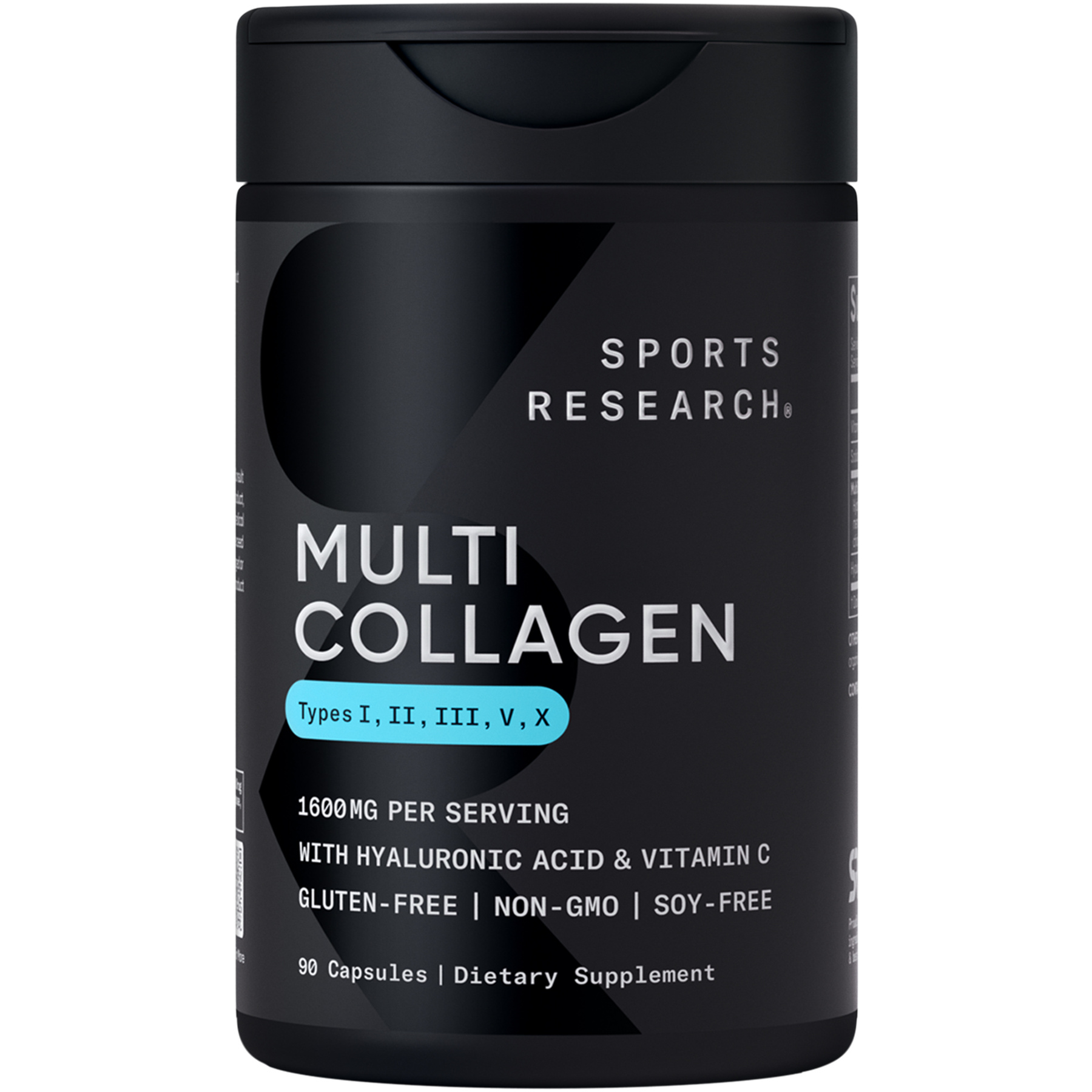
Collagen + Vitamin C & Hyaluronic Acid Complex | Triple-Action Skin Matrix
Original price was: $80.00.$70.00Current price is: $70.00.
The Collagen + Vitamin C & Hyaluronic Acid Complex is a scientifically formulated triad designed to optimize the structural integrity of the skin’s extracellular matrix. While Hydrolyzed Collagen Peptides provide the essential amino acid building blocks, Vitamin C acts as the mandatory co-factor for collagen hydroxylation, and Hyaluronic Acid provides the osmotic pressure necessary for cellular hydration. In research models, this complex is studied for its ability to increase dermal density, accelerate wound healing, and restore the skin’s natural moisture barrier
The Synergy of the Dermal Matrix: Collagen, Vitamin C, and Hyaluronic Acid
The Structural Triad: Mechanism of Action
True skin rejuvenation requires more than just raw protein. The biological synthesis of functional collagen is a multi-step process that relies on specific environmental and chemical triggers:
-
Collagen Peptides (The Scaffold): Our complex utilizes Type I & III hydrolyzed peptides with a molecular weight of <2000 Da. These peptides provide high concentrations of Hydroxyproline, which signals fibroblasts to initiate the production of new connective tissue.
-
Vitamin C (The Catalyst): Without Vitamin C (Ascorbic Acid), the enzymes prolyl hydroxylase and lysyl hydroxylase cannot function. These enzymes are responsible for stabilizing the collagen triple helix. Research shows that supplementing collagen without Vitamin C significantly limits the body’s ability to convert amino acids into structural fibers.
-
Hyaluronic Acid (The Hydrator): As a high-molecular-weight glycosaminoglycan, Hyaluronic Acid can hold up to 1,000 times its weight in water. In the dermal layer, it creates a gel-like environment that supports the collagen scaffold, preventing the fibers from becoming brittle and prone to fragmentation.
Advanced Research Benefits: Beyond Beauty
-
-
Hydroxylation Kinetics: Studied for its role in ensuring the cross-linking of collagen fibers, which is essential for the tensile strength of both skin and ligaments.
-
Photo-Protection Signaling: Vitamin C provides potent antioxidant support, neutralizing free radicals generated by UV exposure that would otherwise trigger Matrix Metalloproteinases (MMPs)—enzymes that break down collagen.
-
Synovial Fluid Viscosity: While focused on skin, this complex is also researched for joint health, as Hyaluronic Acid is a primary component of the synovial fluid that lubricates articular surfaces.
-
Endogenous Production: Research indicates that the presence of both peptides and HA stimulates the body’s own natural production cycles, leading to a “bio-feedback” loop of tissue repair.
-
4. Technical Specifications (E-E-A-T Data)
| Feature | Scientific Specification |
| Collagen Source | Grass-Fed Hydrolyzed Bovine (Type I & III) |
| Vitamin C Form | Ascorbic Acid (Optimized for Hydroxylation) |
| Hyaluronic Acid | Sodium Hyaluronate (Dermal Grade) |
| Molecular Weight | Collagen: <2000 Da / HA: 1.0–1.5 MDa |
| Purity Grade | $\geq$99% Active Ingredients |
| Bioavailability | HPLC-verified Peptide Absorption |
5. Product FAQ
Q: Why is Vitamin C included in this collagen complex?
A: Vitamin C is a required co-factor for the enzymes that stabilize collagen. Even with high peptide intake, the body cannot effectively build or repair the collagen matrix without sufficient Vitamin C to facilitate the cross-linking process.
Q: Does Hyaluronic Acid in oral form actually reach the skin?
A: Research into low and medium molecular weight Hyaluronic Acid suggests that it is absorbed in the gut and transported to the skin and joints, where it stimulates endogenous HA production and increases moisture retention in the extracellular matrix.
Only logged in customers who have purchased this product may leave a review.
Related products

COLLAGEN & RECOVERY PEPTIDES
LNAC (N-Acetyl Cysteine) + Glycine Peptide | Glutathione Precursor

COLLAGEN & RECOVERY PEPTIDES

COLLAGEN & RECOVERY PEPTIDES
Vegan Collagen Peptides | Plant-Based Biomimetic Booster | 98% Bioavailability

COLLAGEN & RECOVERY PEPTIDES
Pentosan Polysulphate Peptide Analogue | Advanced GAG Mimetic Research

COLLAGEN & RECOVERY PEPTIDES

LONGEVITY & WELLNESS STACKS
The Longevity Stack | Advanced Telomere & Cellular Research Bundle

COLLAGEN & RECOVERY PEPTIDES

COLLAGEN & RECOVERY PEPTIDES

Reviews
There are no reviews yet.