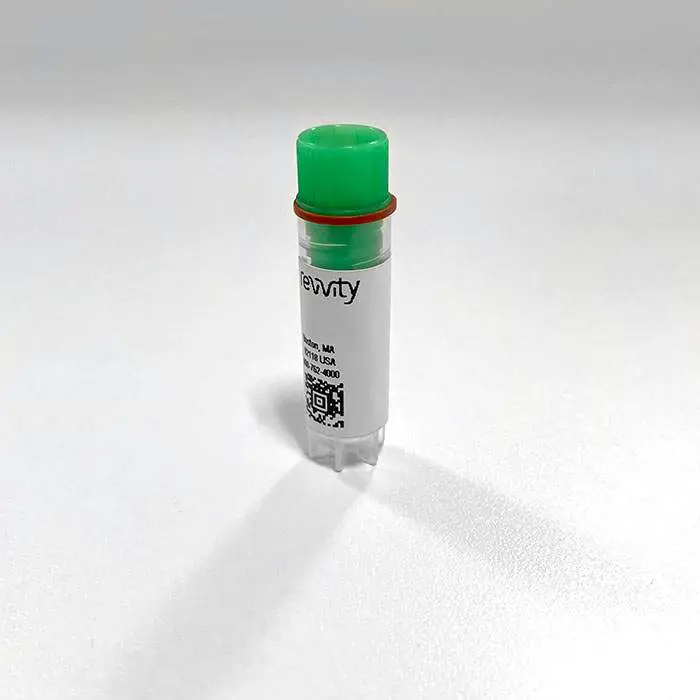
GIP Peptide | Gastric Inhibitory Polypeptide Research Analysis

Original price was: $180.00.$162.00Current price is: $162.00.
GIP Peptide (Gastric Inhibitory Polypeptide), also known as Glucose-dependent Insulinotropic Polypeptide, is a 42-amino acid incretin hormone synthesized by the K-cells of the small intestine. In advanced metabolic research, GIP Peptide is investigated for its critical role in stimulating glucose-dependent insulin secretion from pancreatic beta cells. As a primary regulator of postprandial nutrient disposal, it is a focal point for studying energy balance, lipid metabolism, and the development of next-generation dual-agonist compounds for obesity and type 2 diabetes.
GIP Peptide: The Science of Incretin Signaling and Metabolic Regulation
The Biochemistry of GIP Peptide
GIP Peptide is a member of the secretin family of peptides. Its primary physiological function is defined by its glucose-dependent action, meaning it stimulates insulin release only when blood glucose levels are elevated, thereby minimizing the risk of hypoglycemia in research models. The peptide acts as a potent signaling molecule that bridges the gastrointestinal system and the endocrine pancreas to maintain systemic glycemic control.
Mechanism of Action: GIPR Agonism and Nutrient Disposal
In advanced endocrinology and metabolic research, GIP Peptide functions through several coordinated physiological pathways:
-
Pancreatic Beta-Cell Activation: The peptide binds to the GIP receptor (GIPR), triggering a cyclic AMP (cAMP) signaling cascade that enhances insulin exocytosis in a glucose-dependent manner.
-
Lipid Metabolism Modulation: Research focuses on the peptide’s role in white adipose tissue, where it is studied for its ability to promote fatty acid re-esterification and improve insulin sensitivity.
-
Bone Density Regulation: GIP Peptide is investigated for its potential to stimulate osteoblast activity and inhibit bone resorption, linking nutrient intake to bone remodeling.
-
Neuroprotective Signaling: Emerging research models explore the impact of GIPR agonism in the central nervous system, specifically regarding neuronal survival and the reduction of neuro-inflammation.
Primary Research Applications
-
Incretin System Studies: Analyzing the synergistic effects of GIP when combined with GLP-1 receptor agonists in metabolic disease models.
-
Adipose Tissue Homeostasis: Investigating how GIP signaling influences fat storage and systemic energy expenditure.
-
Postprandial Glucose Management: Observing the peptide’s efficacy in restoring insulinotropic responses in various models of metabolic dysfunction.
-
Beta-Cell Preservation Research: Studying the capacity of GIP Peptide to protect pancreatic beta cells from apoptosis and oxidative stress.
4. Technical Specifications (E-E-A-T Data)
| Feature | Scientific Specification |
| Peptide Type | Gastric Inhibitory Polypeptide (GIP) |
| Amino Acid Count | 42 Amino Acids |
| Molecular Formula | $C_{226}H_{338}N_{60}O_{66}S$ |
| Molecular Weight | 4983.58 g/mol |
| CAS Number | 59392-49-3 |
| Purity Grade | $\geq$99% (HPLC & Mass Spec Verified) |
| Solubility | Soluble in Water and Saline |
5. Product FAQ
Q: Why is GIP called “Glucose-dependent Insulinotropic Polypeptide”?
A: While originally named for its ability to inhibit gastric acid, research later discovered its more significant role in stimulating insulin secretion. The name was updated to reflect that its insulinotropic effects occur strictly in the presence of elevated glucose levels.
Q: How is GIP Peptide used in dual-agonist research?
A: Modern research often focuses on combining GIP Peptide with GLP-1 analogs. These “twincretins” are studied for their ability to achieve superior weight loss and glycemic control compared to single-receptor agonists by targeting multiple metabolic pathways simultaneously.
Only logged in customers who have purchased this product may leave a review.
Related products

GLP-1 & METABOLIC RESEARCH COMPOUNDS

GLP-1 & METABOLIC RESEARCH COMPOUNDS

GROWTH HORMONE RESEARCH PEPTIDES

RESEARCH-GRADE COMPOUNDS


EMERGING & SPECIALIST RESEARCH PEPTIDES

FAT LOSS & METABOLIC PEPTIDES
MOTS-c Peptide 10mg | Mitochondrial Exercise Mimetic | $\geq$99% Purity


NEUROPEPTIDE RESEARCH COMPOUNDS


NEUROPEPTIDE RESEARCH COMPOUNDS

Reviews
There are no reviews yet.