
Hexarelin Peptide | High-Purity 2mg Vial | Advanced Cardioprotective Research


Original price was: $80.00.$65.00Current price is: $65.00.
Hexarelin is a synthetic hexapeptide and a potent agonist of the Growth Hormone Secretagogue Receptor (GHSR). As a second-generation GHRP, Hexarelin stands out for its exceptional stability and its unique ability to bind to the CD36 receptor, which facilitates direct cardioprotective effects. In research environments, it is recognized as the most powerful secretagogue for stimulating pulsatile Growth Hormone (GH) release, consistently outperforming GHRP-2 and GHRP-6 in maximum GH serum elevation.
Hexarelin: The Potent Secretagogue for GH and Cardiac Research
The Structural Advantage of Hexarelin
Hexarelin (His-D-2-methyl-Trp-Ala-Trp-D-Phe-Lys-NH₂) is structurally similar to GHRP-6 but features a critical modification: a methyl group at the 2-position of the D-Tryptophan residue. This minor chemical shift makes Hexarelin significantly more resistant to enzymatic degradation, resulting in a longer-acting profile and higher biological potency. Unlike natural ghrelin, Hexarelin does not promote hunger to the same degree, allowing researchers to study GH elevation without the confounding variable of increased caloric intake.
Dual Mechanism of Action: Beyond the Pituitary
The research profile of Hexarelin is uniquely multifaceted, engaging two primary receptor pathways:
-
GHSR Activation (Hypothalamic-Pituitary Axis): Hexarelin binds to the ghrelin receptor, signaling the pituitary gland to release massive “pulses” of endogenous growth hormone. It also suppresses Somatostatin, the hormone responsible for inhibiting GH, effectively “opening the floodgates” for GH secretion.
-
CD36 Receptor Binding (Cardiovascular System): Perhaps the most significant distinction of Hexarelin is its affinity for the CD36 receptor located in cardiac and vascular tissues. Research suggests this interaction may improve left ventricular ejection fraction (LVEF) and protect cardiomyocytes from apoptosis (programmed cell death) during ischemia-reperfusion events.
Key Research Applications and Observed Benefits
-
Cardiovascular Resilience: Investigated for its ability to reduce myocardial infarct size and improve heart function post-injury.
-
Musculoskeletal Integrity: Studied for its role in increasing bone mineral density and stimulating collagen synthesis via the GH/IGF-1 axis.
-
Neuroprotection: Emerging research explores the potential of Hexarelin in mitigating neuroinflammation and protecting brain tissue from oxidative stress.
-
Lean Tissue Preservation: Analyzing the peptide’s ability to prevent muscle wasting (cachexia) through enhanced nitrogen retention.
4. Technical Specifications (E-E-A-T Data)
| Feature | Scientific Specification |
| Molecular Formula | $C_{47}H_{58}N_{12}O_{6}$ |
| Molecular Weight | 887.05 g/mol |
| CAS Number | 140703-51-1 |
| Purity Grade | $\geq$99% (HPLC Verified) |
| Concentration | 2mg per vial |
| Appearance | Lyophilized White Powder |
5. Product FAQ
Q: How does Hexarelin differ from GHRP-6?
A: While both are hexapeptides, Hexarelin is more potent and stable. Clinical research indicates that Hexarelin produces a higher peak GH response than GHRP-6. Additionally, Hexarelin has a specific affinity for the CD36 receptor, making it a superior choice for cardiovascular-focused studies.
Q: Does Hexarelin cause “desensitization”?
A: In long-term research models, Hexarelin has been observed to lead to receptor desensitization more quickly than other GHRPs like Ipamorelin. Researchers often account for this by utilizing specific “on/off” cycling protocols to maintain receptor sensitivity and GH pulse amplitude.
Related products

COLLAGEN & RECOVERY PEPTIDES
L-Glutamine Peptide Complex | High-Purity Bioavailable Nitrogen

FAT LOSS & METABOLIC PEPTIDES
Tesamorelin 2mg | High-Purity GHRH Analog | Visceral Fat Research

PERFORMANCE PEPTIDES
Kisspeptin-10 (Kiss-1) 10mg | High-Purity GPR54 Agonist | $\geq$99% Purity

GROWTH HORMONE SECRETAGOGUES
CJC-1295 + Ipamorelin Blend (5mg/5mg) | Synergistic GHS Research


PERFORMANCE PEPTIDES
GnRH (Gonadorelin) 2mg | High-Purity Decapeptide | HPTA Standard

PERFORMANCE PEPTIDES
Hydrolysed Collagen Peptides (Type I & III) | Grass-Fed | Multi-Tissue Support
FAT LOSS & METABOLIC PEPTIDES
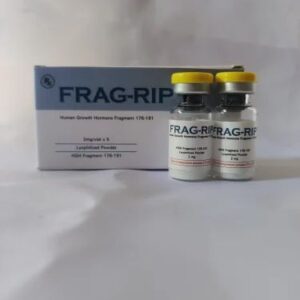
HGH Fragment 176-191 | 5mg High-Purity Lipolytic Peptide | $\geq$99% Purity

FAT LOSS & METABOLIC PEPTIDES
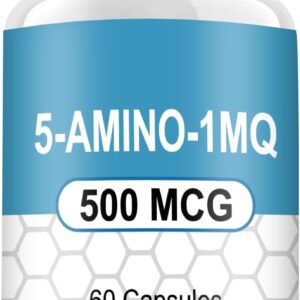
5-Amino-1MQ | Selective NNMT Inhibitor | Metabolic Research Standard
