
Kisspeptin-10 (Kiss-1) 10mg | High-Purity GPR54 Agonist | $\geq$99% Purity


Original price was: $100.00.$78.00Current price is: $78.00.
Kisspeptin-10 is a potent, truncated decapeptide derived from the KISS1 gene product. Recognized as the most critical “upstream” regulator of human reproduction, Kisspeptin-10 acts directly on the hypothalamus to trigger the secretion of Gonadotropin-Releasing Hormone (GnRH). In research models, this peptide is the primary switch for the HPG axis, making it a vital tool for studying the initiation of puberty, the regulation of fertility, and the restoration of natural hormonal pulses.
Kisspeptin-10: The Master Upstream Regulator of the HPG Axis
The Discovery of the KISS1 Signaling Pathway
Originally identified for its role as a metastasis suppressor, Kisspeptin-10 has since been recognized as the “gatekeeper” of reproductive biology. The peptide binds with high affinity to the GPR54 (KISS1R) receptor located on GnRH-secreting neurons. Without the signaling pulse of Kisspeptin-10, the hypothalamus remains dormant, regardless of the availability of other hormones. This makes the Kisspeptin system the fundamental starting point for all gonadotropic activity.
Mechanism of Action: Triggering the Gonadotropic Pulse
In neurobiological research, Kisspeptin-10 functions through a sophisticated hypothalamic cascade:
-
GPR54 Activation: The peptide binds to G-protein coupled receptors, activating the phospholipase C (PLC) signaling pathway.
-
GnRH Mobilization: This activation forces a rapid depolarisation of GnRH neurons, leading to a potent release of Gonadotropin-Releasing Hormone into the portal circulation.
-
Downstream Secretion: The subsequent GnRH surge signals the pituitary to release LH (Luteinizing Hormone) and FSH (Follicle-Stimulating Hormone).
-
Natural Feedback Integration: Unlike direct HPTA stimulants, Kisspeptin-10 research allows for the observation of how the body integrates environmental and metabolic cues (such as leptin levels) into reproductive signaling.
Kisspeptin-10 vs. GnRH (Gonadorelin): Key Research Differences
While both influence the reproductive axis, their points of intervention are distinct:
-
Point of Action: Kisspeptin-10 acts upstream on the hypothalamus; GnRH acts downstream on the pituitary.
-
Physiological Control: Kisspeptin-10 is studied for its role in integrating metabolic signals (like fat stores and stress) into the reproductive system, whereas GnRH is a direct mechanical signal for hormone release.
-
Research Utility: Kisspeptin-10 is the preferred choice for researchers investigating the root cause of hypothalamic dysfunction and the neurobiology of the “reproductive pulse generator.”
4. Technical Specifications (E-E-A-T Data)
| Feature | Scientific Specification |
| Chemical Name | Tyr-Asn-Trp-Asn-Ser-Phe-Gly-Leu-Arg-Phe-NH2 |
| Molecular Formula | $C_{63}H_{78}N_{18}O_{13}$ |
| Molecular Weight | 1302.4 g/mol |
| CAS Number | 374675-21-5 |
| Purity Grade | $\geq$99% (HPLC/MS Verified) |
| Concentration | 10mg per vial |
5. Product FAQ
Q: Why is Kisspeptin-10 called the “Metastasis Suppressor”?
A: Kisspeptin-10 was originally named metastin because of its ability to inhibit the spread of melanoma and breast cancer cells. In contemporary research, while its reproductive role is more widely studied, its ability to regulate cellular migration remains a significant area of oncological interest.
Q: How does Kisspeptin-10 relate to the “Kisspeptin-Neurokinin B-Dynorphin” (KNDy) system?
A: Kisspeptin-10 is a key component of the KNDy neurons. These neurons act as the central “pacemaker” for the HPG axis. Researching Kisspeptin-10 allows scientists to study how the body synchronizes the pulsatile release of hormones necessary for healthy endocrine function.
Only logged in customers who have purchased this product may leave a review.
Related products

GROWTH HORMONE SECRETAGOGUES

FAT LOSS & METABOLIC PEPTIDES
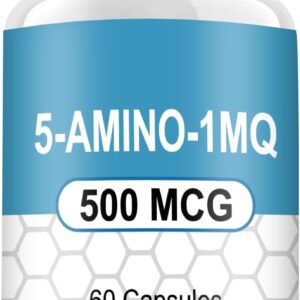
5-Amino-1MQ | Selective NNMT Inhibitor | Metabolic Research Standard

PERFORMANCE PEPTIDES
Vilon (Lys-Glu) | 10mg Bioregulatory Dipeptide | $\geq$98% Purity
FAT LOSS & METABOLIC PEPTIDES
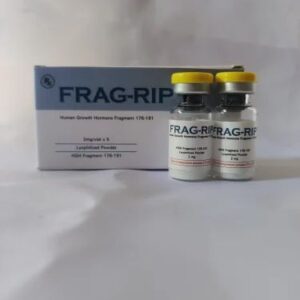
HGH Fragment 176-191 | 5mg High-Purity Lipolytic Peptide | $\geq$99% Purity

FAT LOSS & METABOLIC PEPTIDES
Tesamorelin 2mg | High-Purity GHRH Analog | Visceral Fat Research

GROWTH HORMONE SECRETAGOGUES
CJC-1295 + Ipamorelin Blend (5mg/5mg) | Synergistic GHS Research

MUSCLE GROWTH & ANABOLIC PEPTIDES


PERFORMANCE PEPTIDES
GnRH (Gonadorelin) 2mg | High-Purity Decapeptide | HPTA Standard

Reviews
There are no reviews yet.