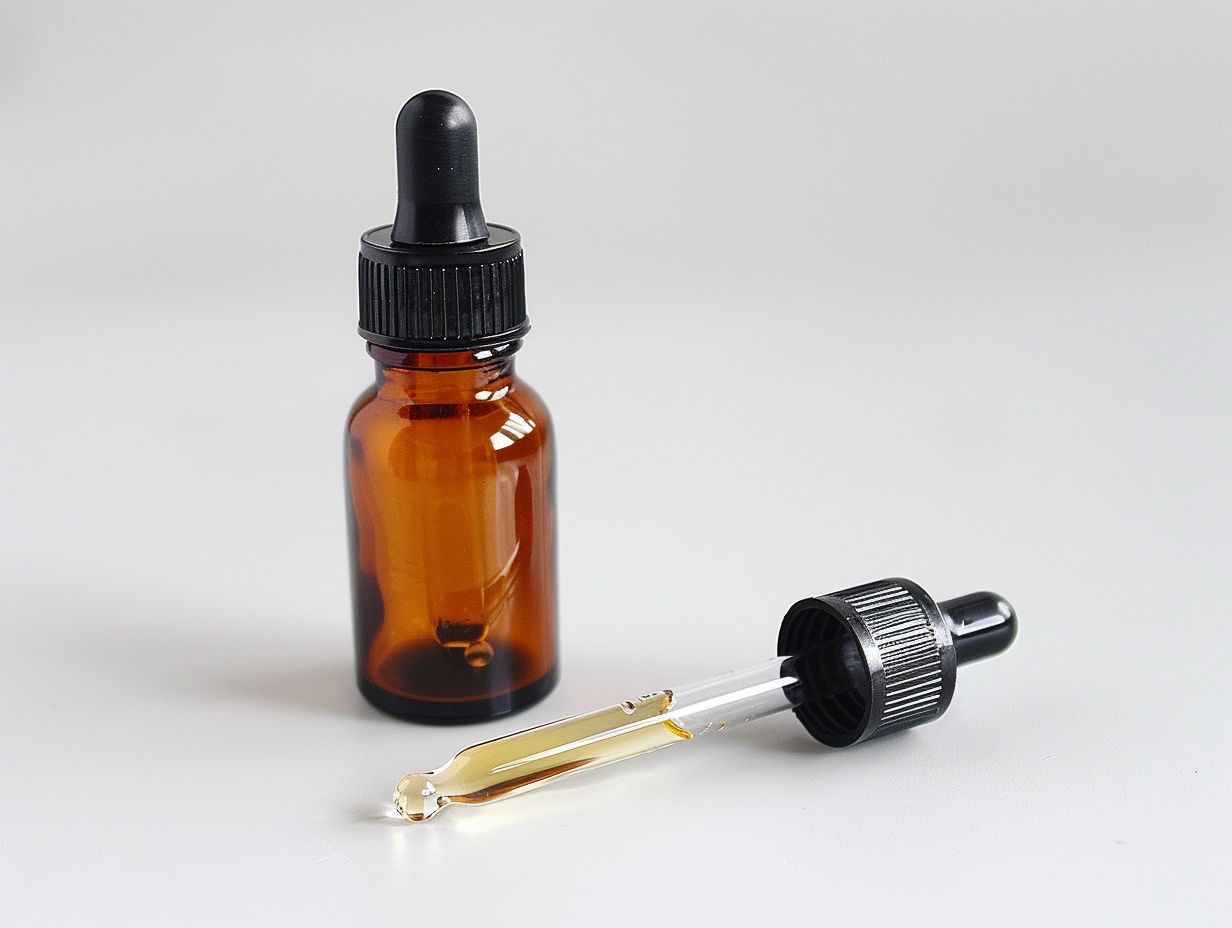
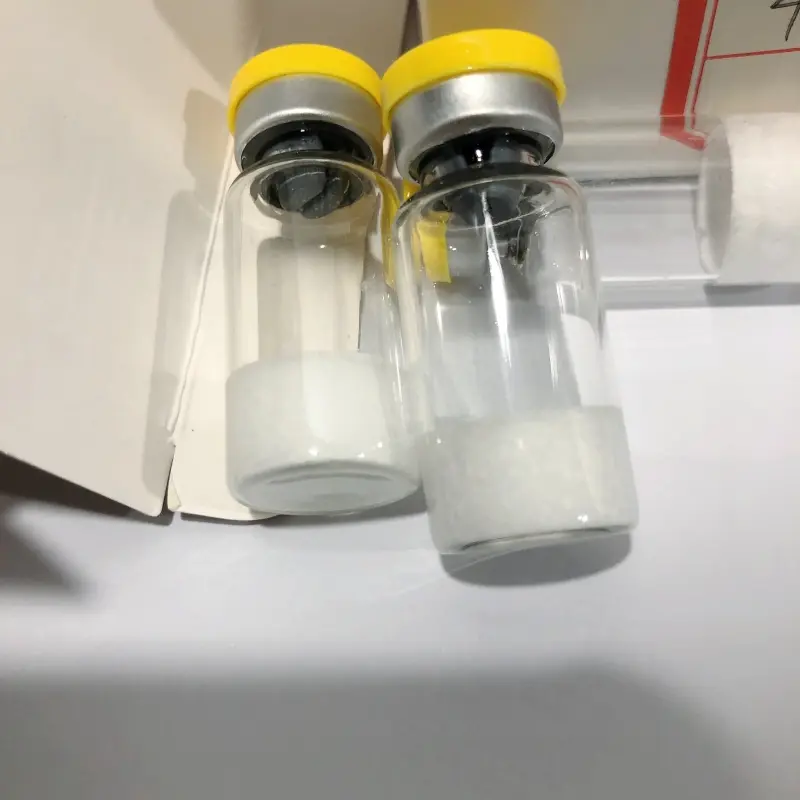


NA-Semax Amidate | Enhanced Nootropic Peptide


Original price was: $100.00.$82.00Current price is: $82.00.
NA-Semax Amidate is a highly stable, synthetic analog of the ACTH 4-10 fragment, featuring both N-Acetyl and C-terminal Amidate modifications. These structural enhancements significantly increase its resistance to enzymatic degradation and improve its ability to cross the blood-brain barrier compared to the original Semax. In laboratory research, NA-Semax Amidate is investigated as an elite cognitive enhancer, noted for its potential to upregulate neurotrophic factors and provide systemic neuroprotection under metabolic or oxidative stress.
NA-Semax Amidate: The Science of Advanced Neuro-Modulation
The Biochemistry of NA-Semax Amidate
The molecular evolution of NA-Semax Amidate involves two primary chemical modifications to the original Met-Glu-His-Phe-Pro-Gly-Pro heptapeptide:
-
N-Acetyl Group: The addition of an acetyl group at the N-terminus protects the peptide from aminopeptidases.
-
Amidate Modification: C-terminal amidation further increases stability against carboxypeptidases and enhances the peptide’s lipophilicity.
Together, these modifications ensure that NA-Semax Amidate remains bioactive for a longer duration within the central nervous system (CNS), allowing for sustained interaction with neuro-signaling pathways.
Mechanism of Action: BDNF Expression and Dopaminergic Synergy
In advanced neuroscience research, NA-Semax Amidate functions through several sophisticated neuro-regenerative pathways:
-
Upregulation of BDNF and TrkB: The peptide is studied for its ability to increase the expression of Brain-Derived Neurotrophic Factor (BDNF) and its primary receptor, TrkB, in the hippocampus. This pathway is critical for synaptic plasticity and neurogenesis.
-
Modulation of the Melanocortin System: As an ACTH analog, NA-Semax Amidate interacts with melanocortin receptors (primarily MC4R), which are involved in anti-inflammatory responses and the regulation of cerebral blood flow.
-
Dopaminergic and Serotonergic Stabilization: Research suggests the peptide may modulate the release of dopamine and serotonin, potentially buffering the brain against “burnout” and cognitive decline during high-stress activities.
-
Gene Expression Alteration: Studies have observed that NA-Semax Amidate can rapidly alter the expression of genes related to immune response and vascular health in brain tissue.
Primary Research Applications of NA-Semax Amidate
-
Cognitive Performance Models: Analyzing improvements in memory retention, processing speed, and mental clarity in various research subjects.
-
Neuroprotection and Stroke Recovery: Investigating the peptide’s ability to minimize neuronal damage following ischemic events or hypoxia.
-
ADHD and Executive Function Studies: Observing the impact of stabilized catecholamine signaling on focus and impulse control.
-
Anti-Anxiety and Stress Resilience: Studying the modulation of the HPA axis to improve emotional stability during environmental stress.
4. Technical Specifications (E-E-A-T Data)
| Feature | Scientific Specification |
| Peptide Sequence | N-Acetyl-Met-Glu-His-Phe-Pro-Gly-Pro-NH2 |
| Molecular Formula | $C_{39}H_{54}N_{10}O_{10}S$ |
| Molecular Weight | 854.98 g/mol |
| CAS Number | 129954-34-3 (base Semax) |
| Purity Grade | $\geq$99% (HPLC & Mass Spec Verified) |
| Physical State | Lyophilized White Powder |
| Solubility | Highly Soluble in Water and Saline |
5. Product FAQ
Q: How does NA-Semax Amidate differ from standard Semax?
A: Standard Semax is susceptible to rapid enzymatic breakdown. The “N-Acetyl” and “Amidate” modifications on NA-Semax Amidate act as chemical shields, significantly extending its half-life and allowing for more efficient penetration of the blood-brain barrier.
Q: Why is BDNF important in NA-Semax Amidate research?
A: BDNF is essential for the survival of existing neurons and the growth of new ones. By studying the peptide’s ability to upregulate this factor, researchers can explore its potential for reversing neurodegenerative processes and enhancing learning capabilities.
Only logged in customers who have purchased this product may leave a review.
Related products

ENDURANCE & ENERGY PEPTIDES
Selank Peptide | 10mg High-Purity Tuftsin Analog | Neuro-Research Grade
SLEEP & CIRCADIAN RHYTHM PEPTIDES


EMERGING & SPECIALIST RESEARCH PEPTIDES
ARA-290 | Advanced Innate Repair & Neuropathic Research Data


WEIGHT MANAGEMENT & METABOLIC WELLNESS

COGNITIVE & NEUROPROTECTIVE PEPTIDES
Semax Nootropic Neuropeptide | Advanced Neuroprotective Research

LONGEVITY & CELLULAR REPAIR PEPTIDES
Pinealon Peptide | 10mg High-Purity Brain Bioregulator | $\geq$99% Purity

LONGEVITY & CELLULAR REPAIR PEPTIDES
Epitalon (Epithalamin) 10mg | Telomerase Activator | $\geq$99% Purity
COGNITIVE & NEUROPROTECTIVE PEPTIDES

Reviews
There are no reviews yet.