


BPC-157 | Advanced Tissue Repair & Gastric Research Compound
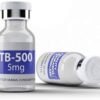

Original price was: $85.00.$67.00Current price is: $67.00.
BPC-157 (Body Protection Compound 157) is a synthetic pentadecapeptide composed of 15 amino acids ($Gly-Glu-Pro-Pro-Pro-Gly-Lys-Pro-Ala-Asp-Asp-Ala-Gly-Leu-Val$). Derived from a protective protein found in human gastric juice, BPC-157 is highly distinguished in research for its extreme stability and resistance to enzymatic degradation. In laboratory models, it is investigated for its potent “cytoprotective” effects, specifically its ability to accelerate the healing of tendons, muscles, ligaments, and the gastrointestinal lining through the modulation of growth factors.
BPC-157: The Science of Endogenous Repair Signaling
The Biochemistry of BPC-157
Unlike many signaling peptides that are fragile and easily broken down by stomach acid or heat, BPC-157 is uniquely stable. This stability is a key area of study, as it allows the peptide to maintain its structural integrity in diverse physiological environments. Its sequence is a partial fragment of the larger Body Protection Compound (BPC) protein, specifically engineered to retain the highest concentration of regenerative signaling properties.
Mechanism of Action: Angiogenesis and VEGF Upregulation
In advanced musculoskeletal and gastroenterology research, BPC-157 functions through several coordinated regenerative pathways:
-
Nitric Oxide (NO) Modulation: The peptide is studied for its ability to regulate NO synthesis, which is a critical step in maintaining vascular integrity and controlling the inflammatory response.
-
Upregulation of VEGF: Research focuses on the peptide’s capacity to trigger the expression of Vascular Endothelial Growth Factor (VEGF), which promotes the formation of new blood vessels (angiogenesis) to supply damaged tissue with nutrients.
-
Tendon-to-Bone Healing: BPC-157 is observed to enhance the outgrowth of tendon fibroblasts, increasing the expression of growth factor receptors that facilitate the repair of dense connective tissues.
-
Gastrointestinal Cytoprotection: Research suggests the peptide stabilizes the “gut-brain axis” by protecting the gastric mucosa and accelerating the repair of ulcerated or inflamed tissues in the digestive tract.
Primary Research Applications
-
Musculoskeletal Injury Models: Analyzing the healing of collateral ligaments, Achilles tendons, and skeletal muscle tears.
-
Gastrointestinal Research: Investigating the peptide’s efficacy in models of Inflammatory Bowel Disease (IBD), gastric ulcers, and leaky gut syndrome.
-
Organoprotection Studies: Observing the preservation of liver and pancreas health following exposure to toxic or inflammatory insults.
-
Neuroprotective Research: Studying the impact of BPC-157 on the stabilization of the central nervous system and the potential reduction of neuro-inflammation.
4. Technical Specifications (E-E-A-T Data)
| Feature | Scientific Specification |
| Peptide Sequence | Gly-Glu-Pro-Pro-Pro-Gly-Lys-Pro-Ala-Asp-Asp-Ala-Gly-Leu-Val |
| Molecular Formula | $C_{62}H_{98}N_{16}O_{22}$ |
| Molecular Weight | 1419.5 g/mol |
| CAS Number | 137525-51-0 |
| Purity Grade | $\geq$99% (HPLC & Mass Spec Verified) |
| Physical State | Lyophilized White Powder |
| Solubility | Highly Soluble in Water and Saline |
5. Product FAQ
Q: Why is BPC-157 called a “Stable” Gastric Pentadecapeptide?
A: It is termed “stable” because research shows it remains biologically active in human gastric juice for over 24 hours, a rare trait for peptides. This stability makes it a primary subject for studying systemic repair through various delivery methods in laboratory settings.
Q: Does BPC-157 work synergistically with TB-500?
A: In many research models, BPC-157 and TB-500 are studied together. While BPC-157 is often analyzed for its immediate angiogenic and cytoprotective signaling, TB-500 is focused on cellular migration and actin-binding.
Only logged in customers who have purchased this product may leave a review.
Related products

COLLAGEN & RECOVERY PEPTIDES
BPC-157 (Body Protection Compound) | 99% Purity Gastric & Tissue Repair

GLP-1 & METABOLIC RESEARCH COMPOUNDS

RESEARCH-GRADE COMPOUNDS


EMERGING & SPECIALIST RESEARCH PEPTIDES
ARA-290 | Advanced Innate Repair & Neuropathic Research Data

GLP-1 & METABOLIC RESEARCH COMPOUNDS
GIP Peptide | Gastric Inhibitory Polypeptide Research Analysis


EMERGING & SPECIALIST RESEARCH PEPTIDES
Follistatin 344 | Advanced Myostatin Inhibition Research Data

MUSCLE GROWTH & ANABOLIC PEPTIDES
TB-500 (Thymosin Beta-4) 5mg | High-Purity Regenerative Peptide | $\geq$99% Purity


Reviews
There are no reviews yet.